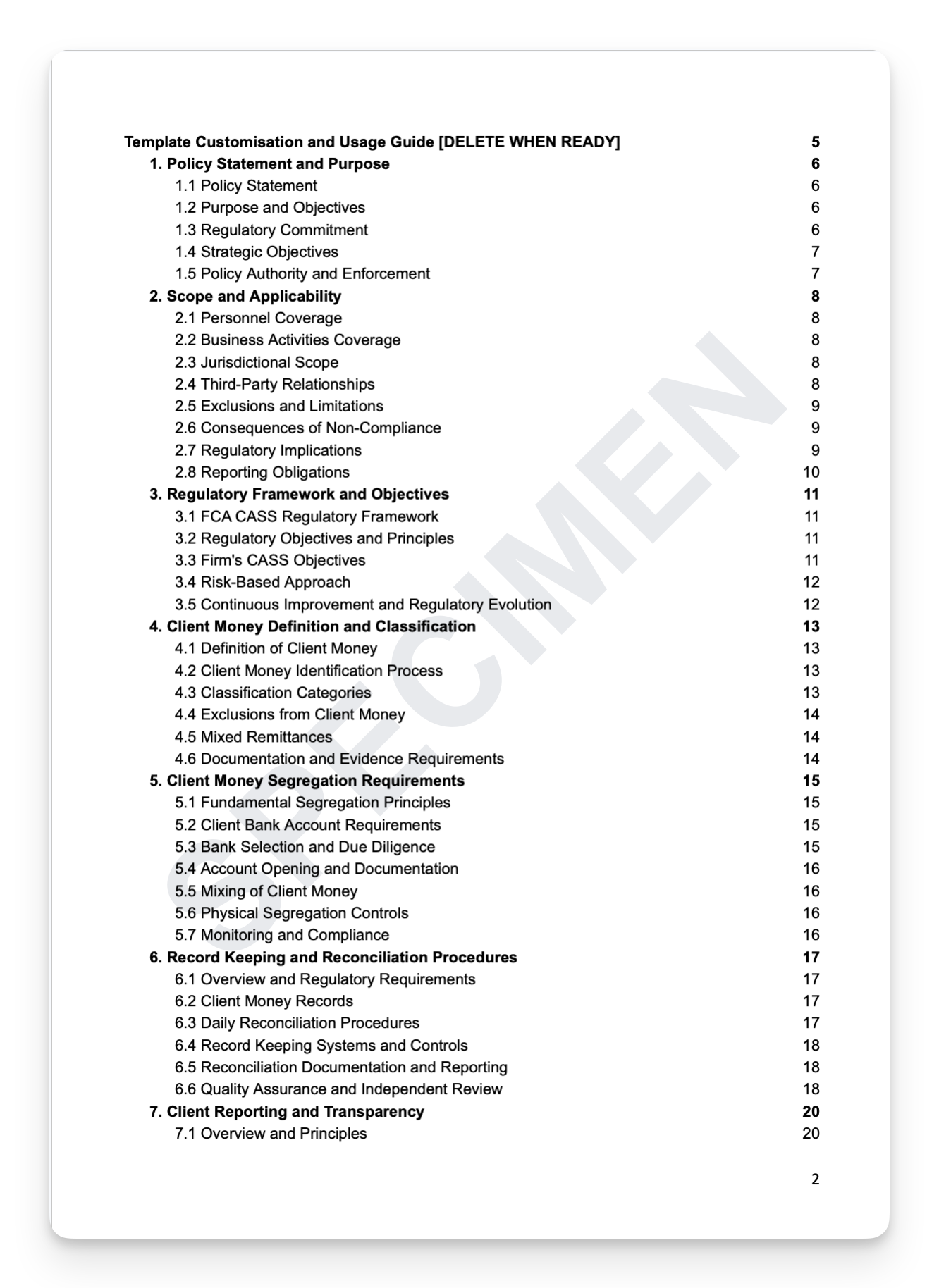
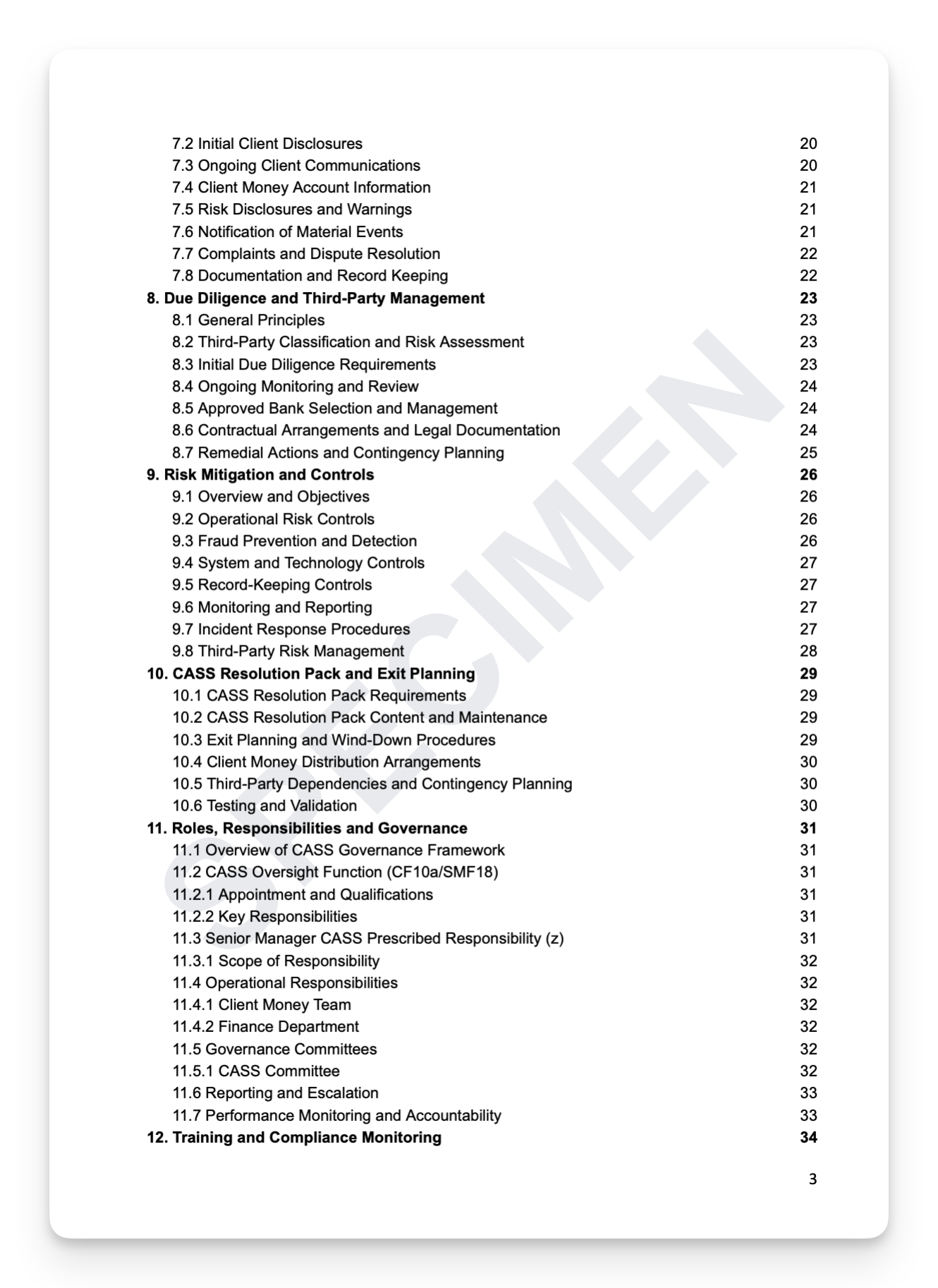
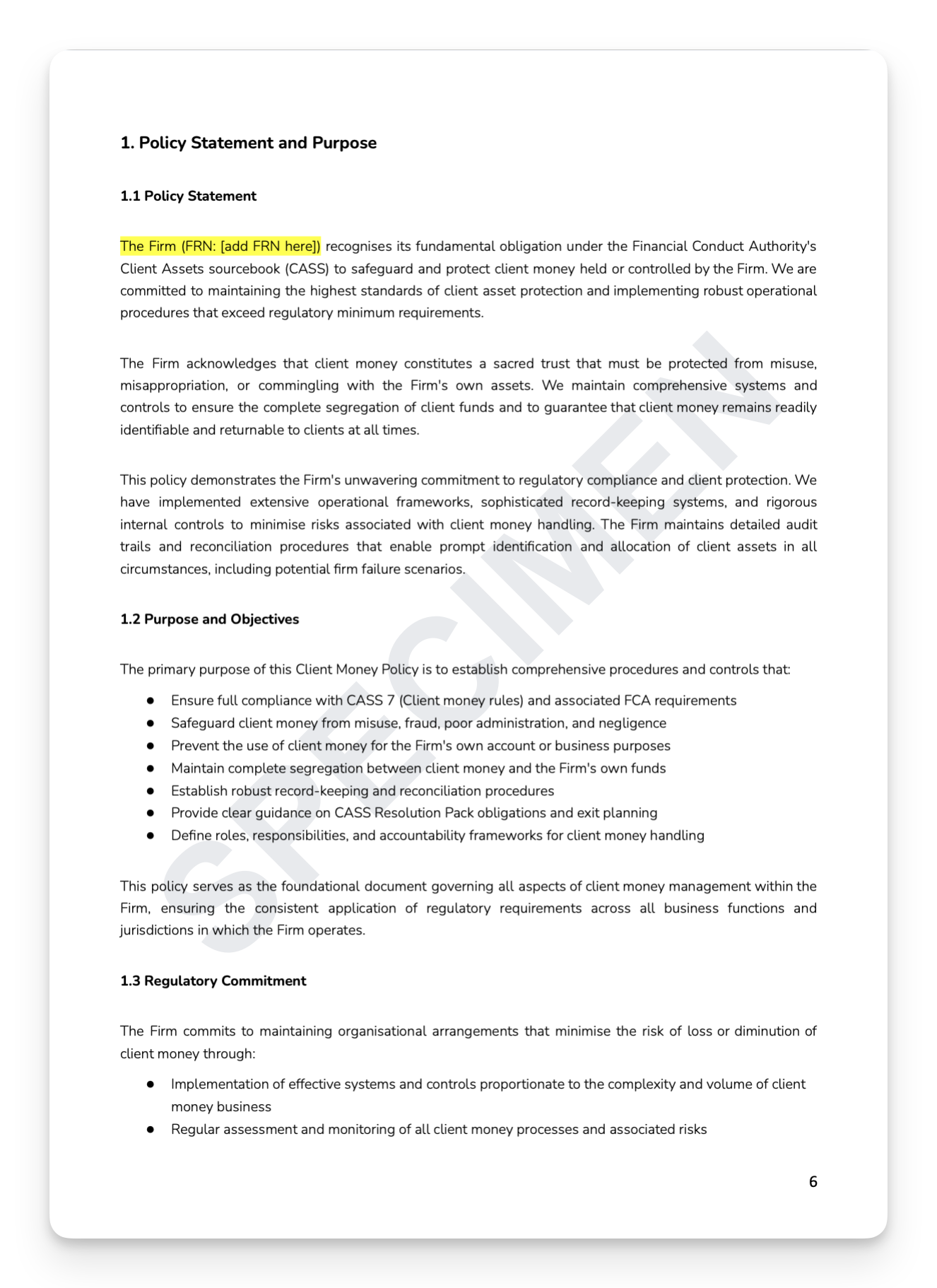
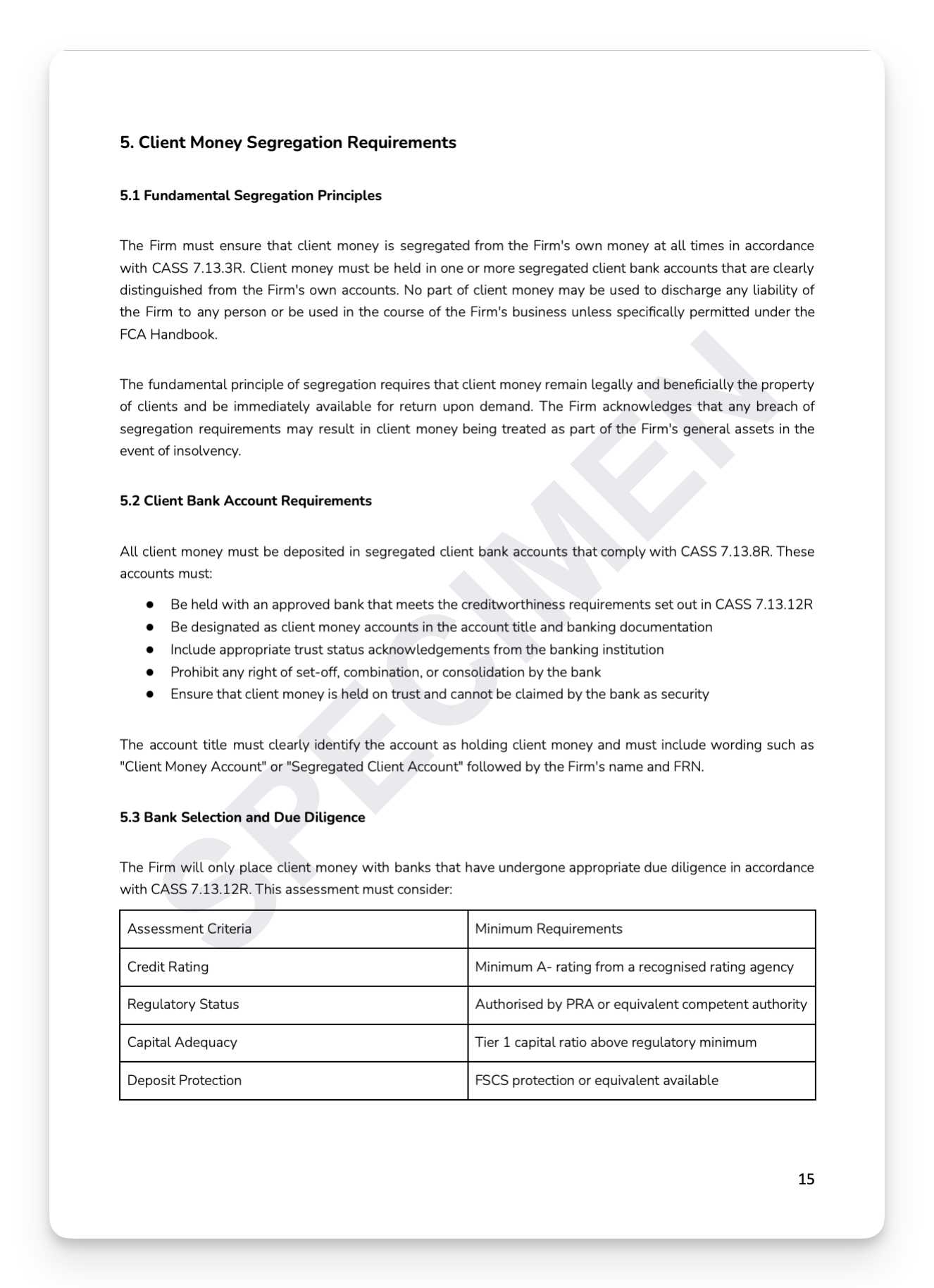
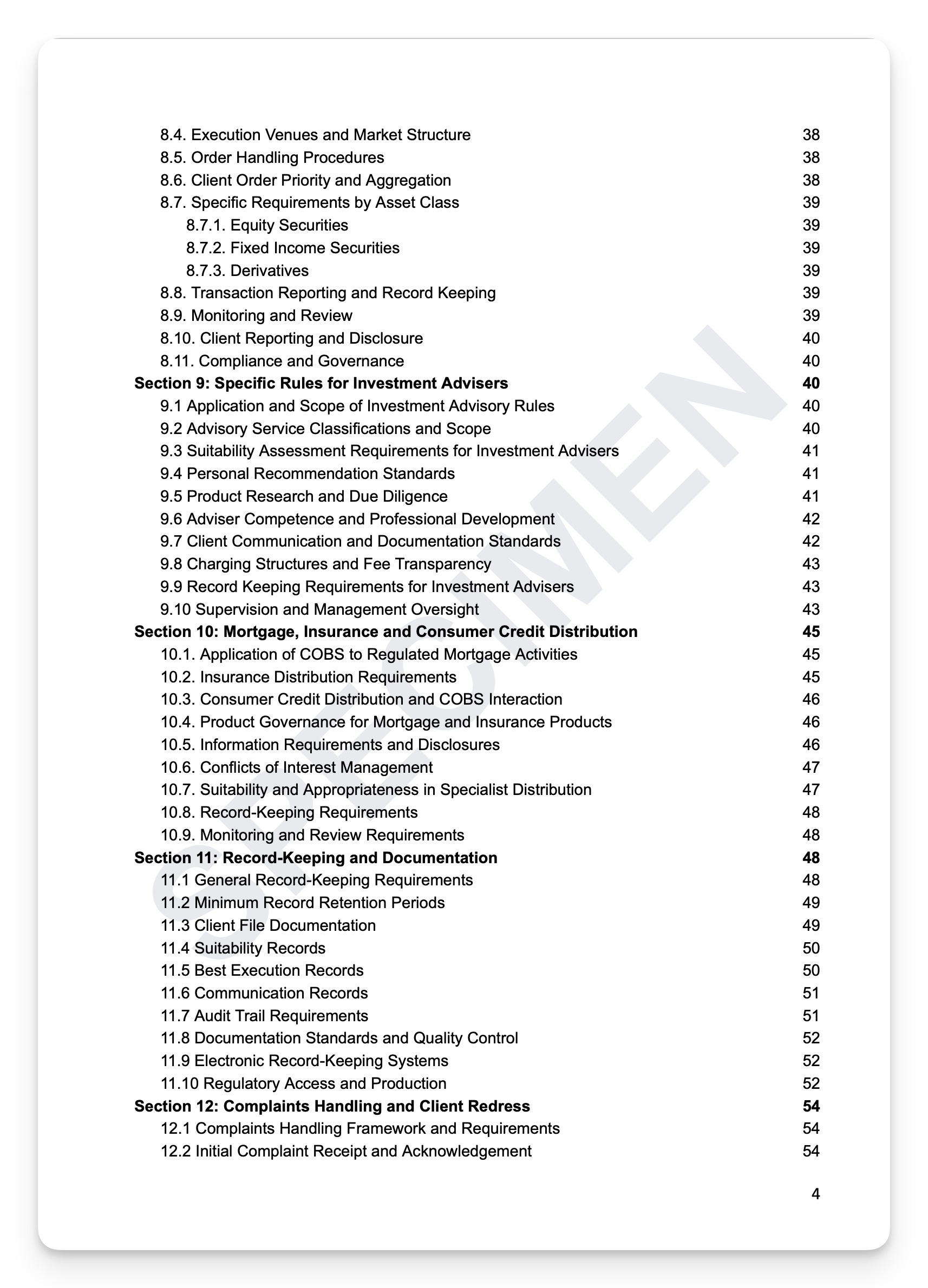
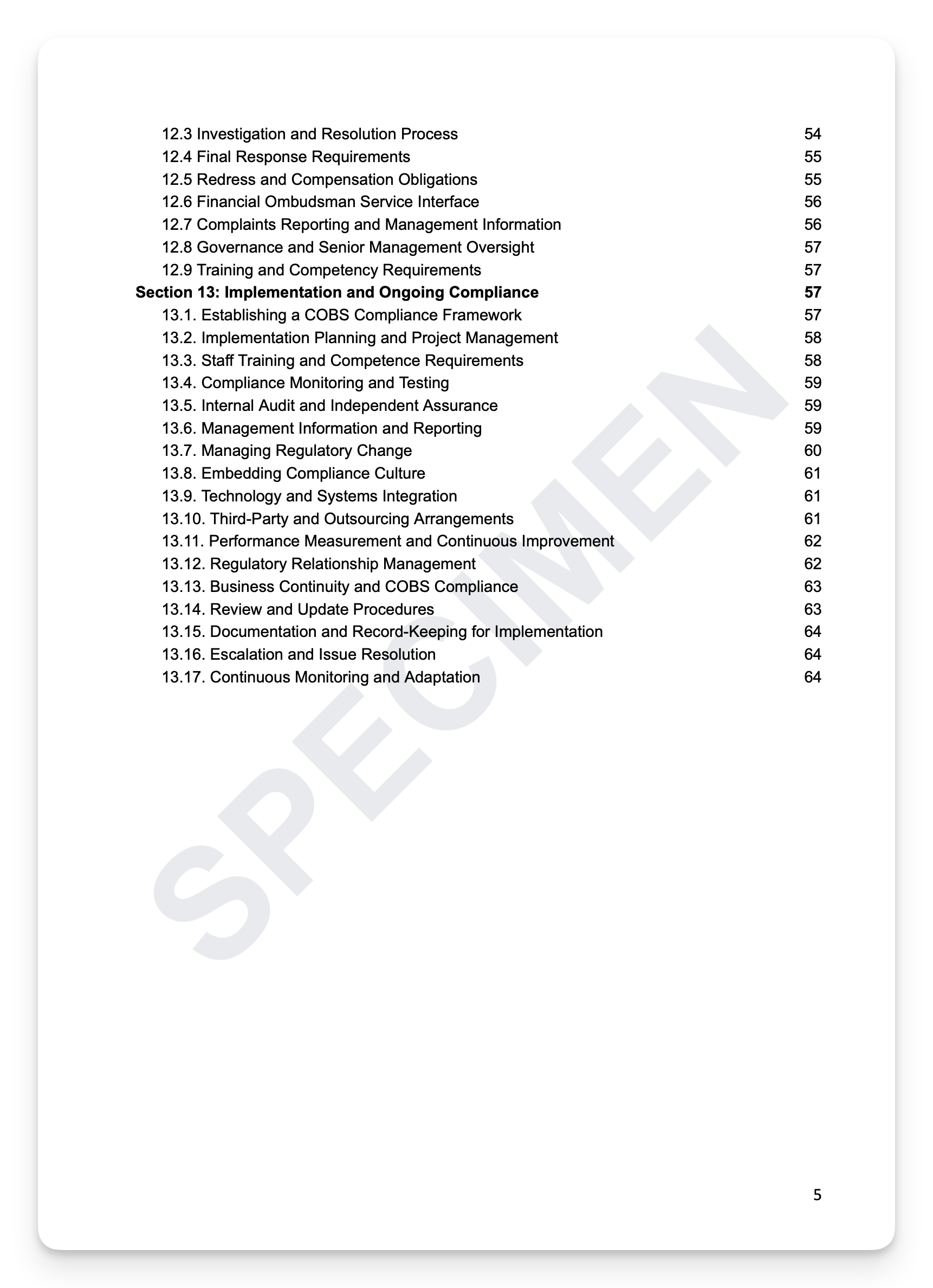
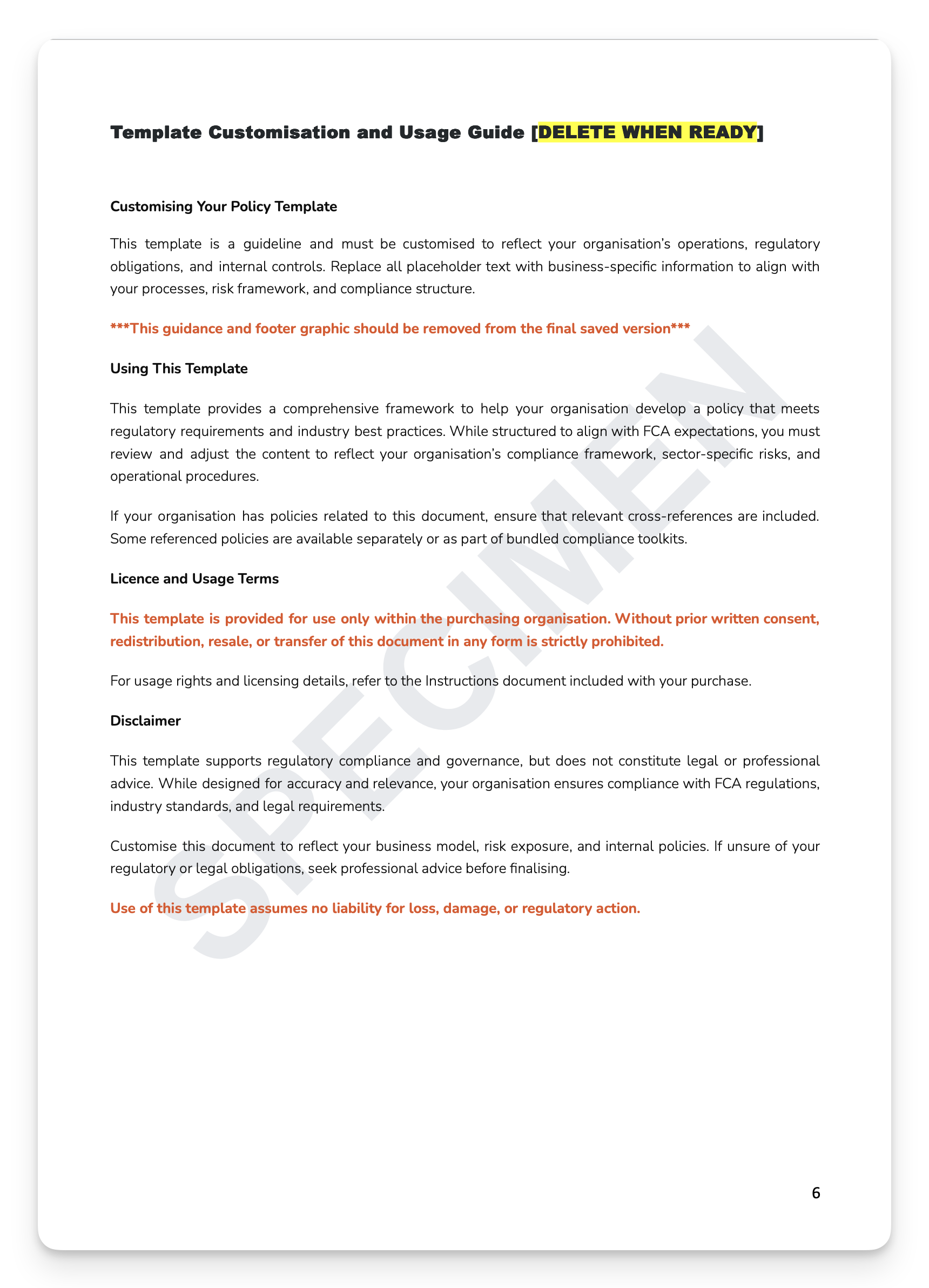
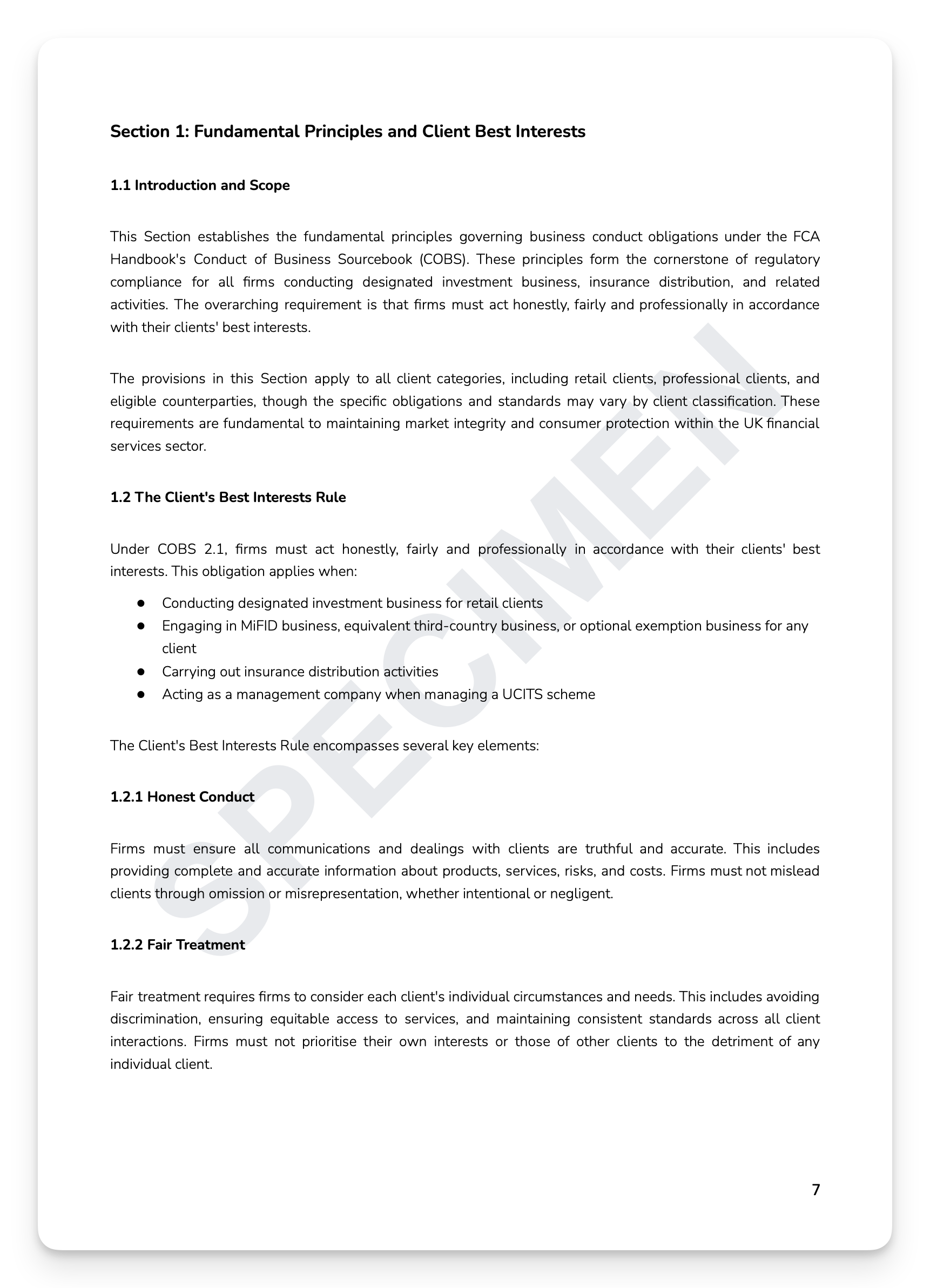
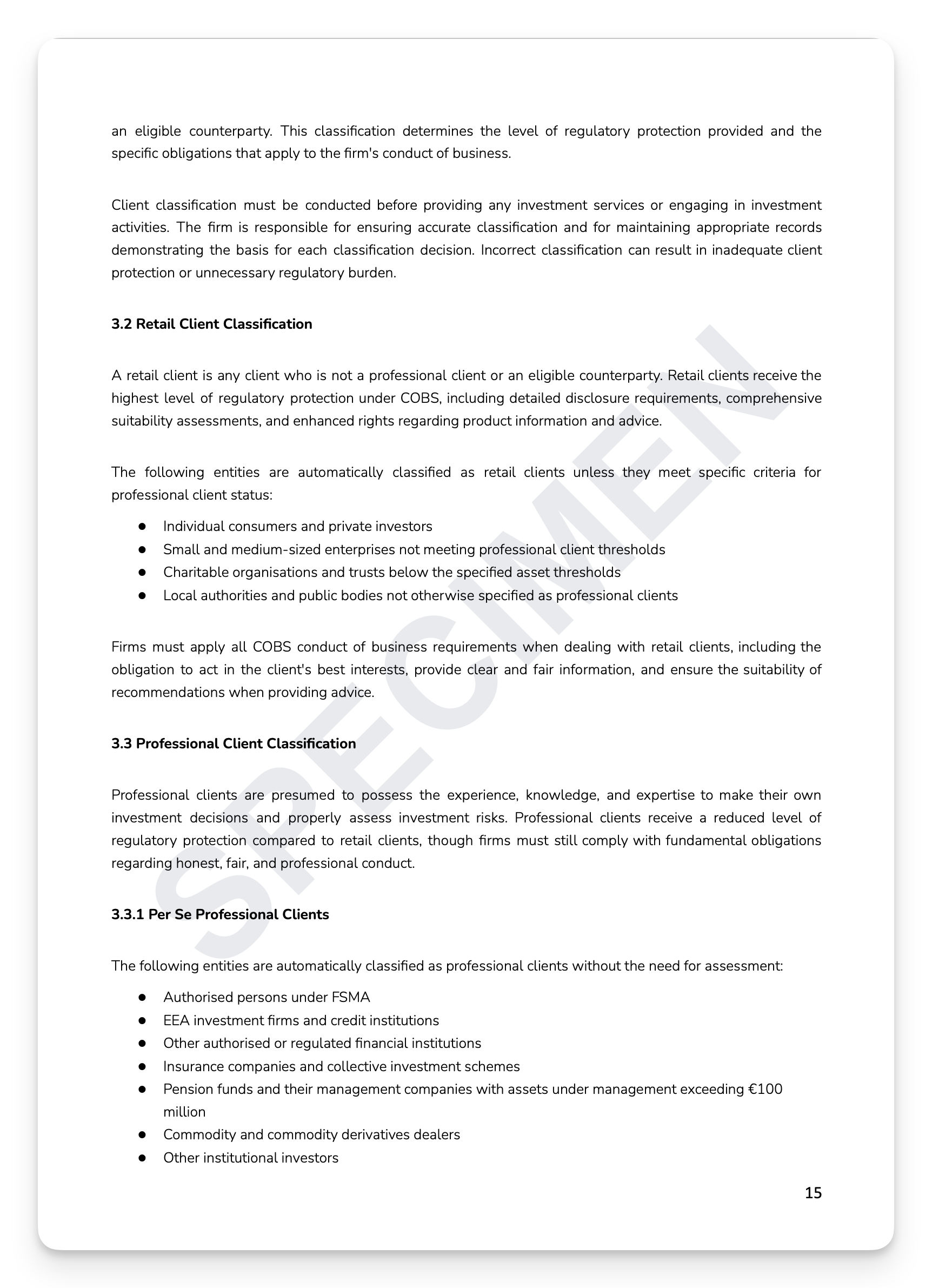
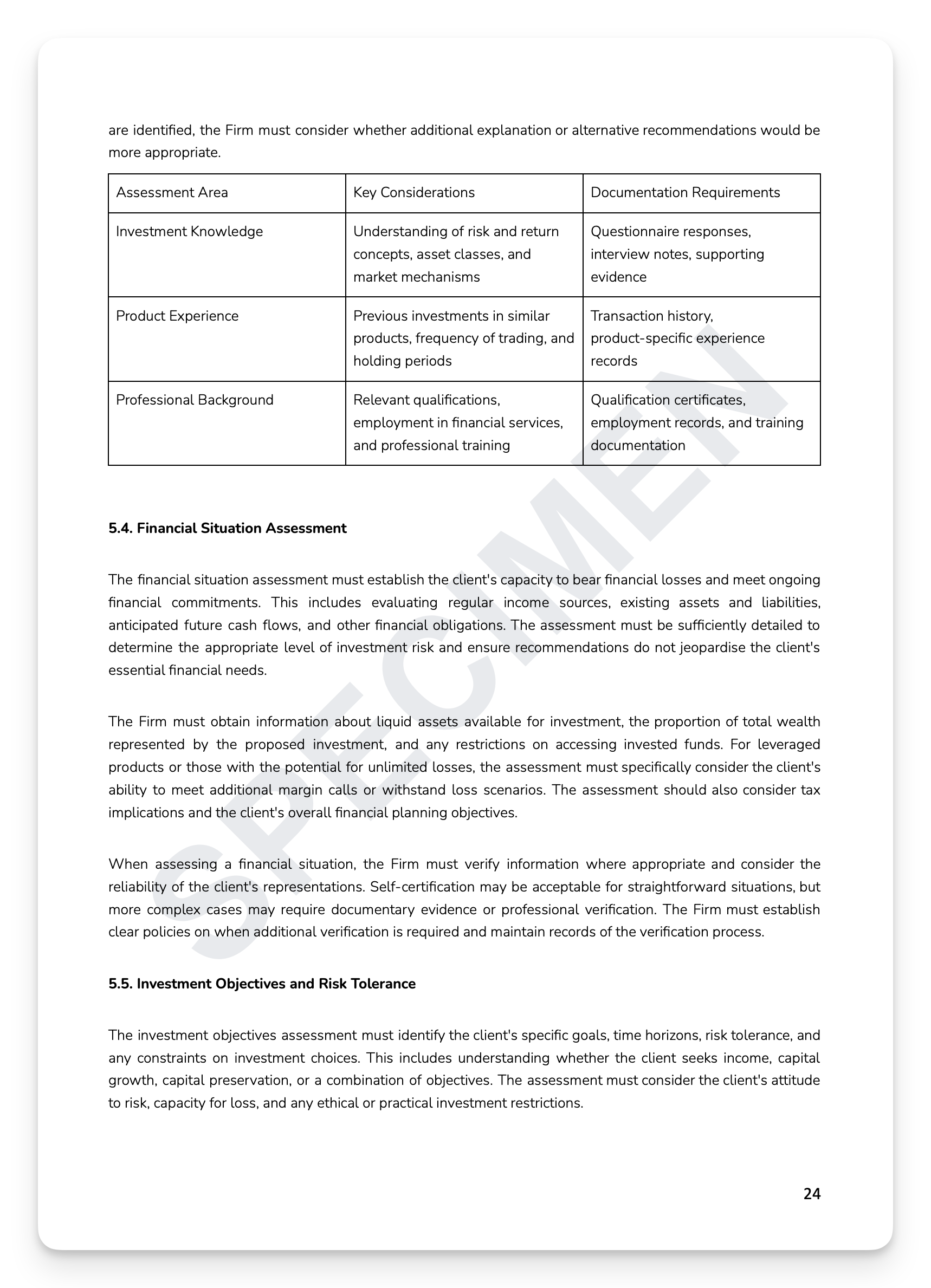
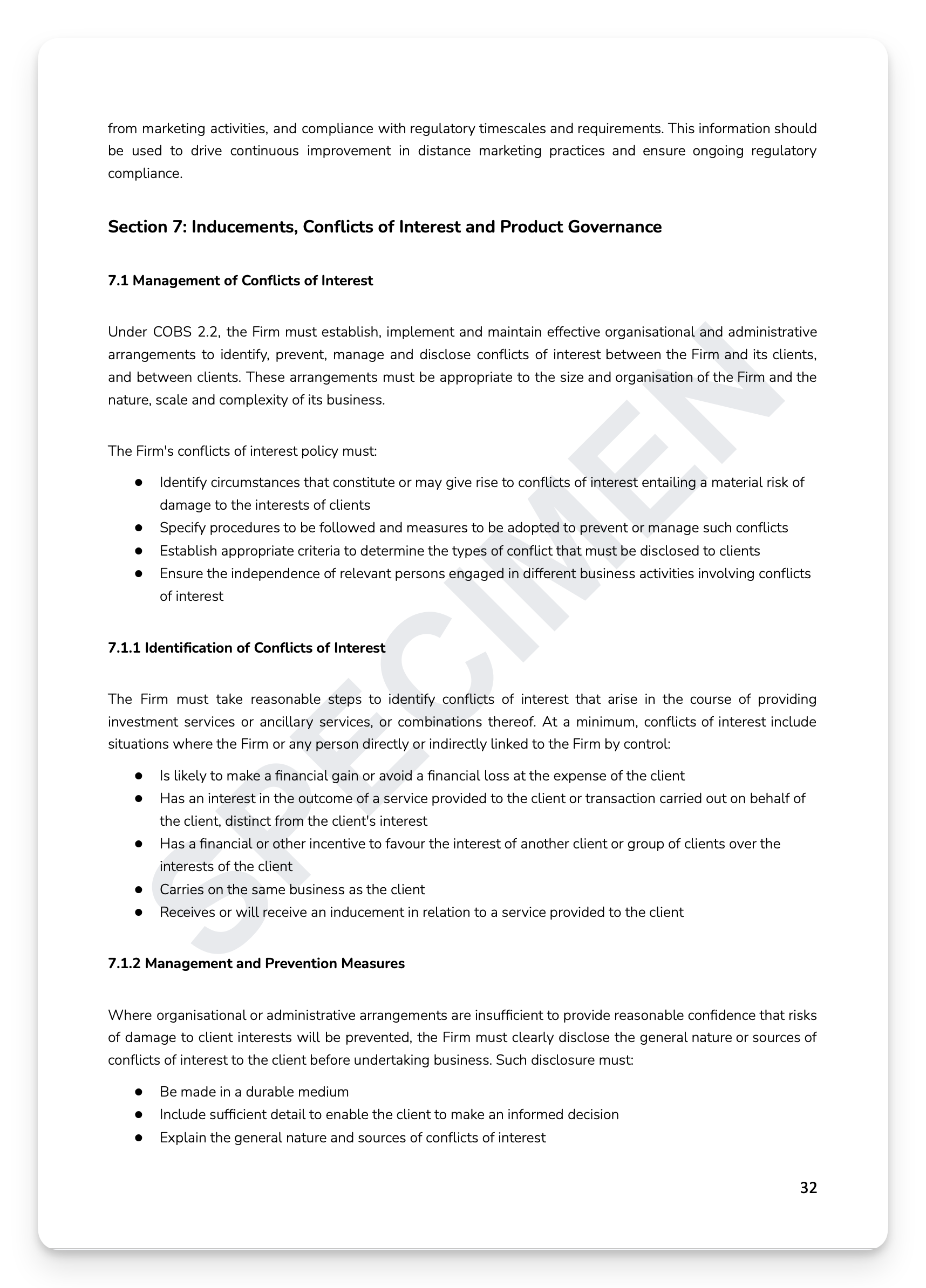
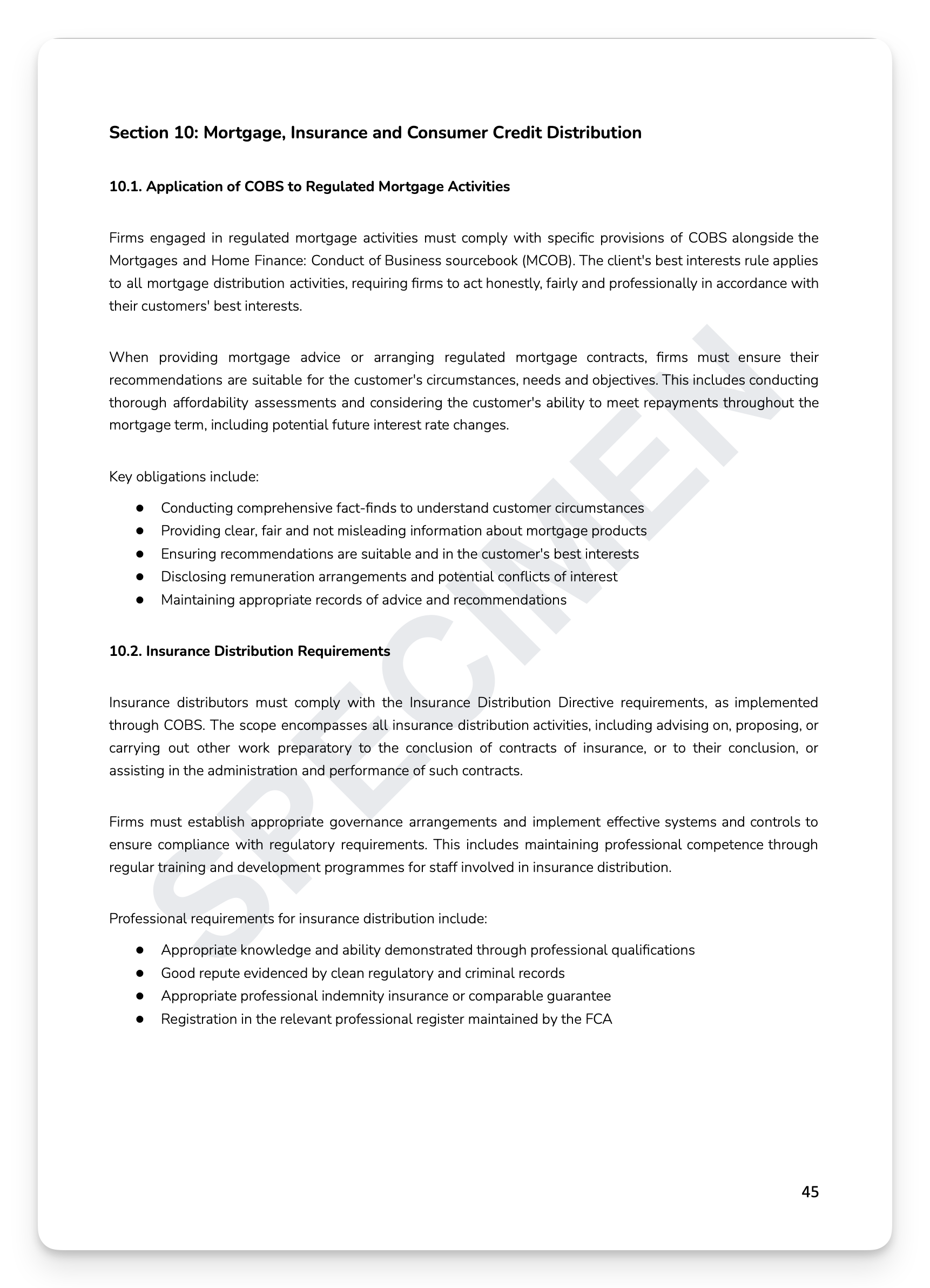
Under UK MAR Article 16, every FCA-authorised firm has a mandatory obligation to submit a Suspicious Transaction and Order Report when there are reasonable grounds to suspect market abuse. There's no discretion — failure to report is itself a regulatory breach. But when the moment arrives, the last thing compliance staff need is to be drafting a report from scratch under time pressure. When reasonable suspicion arises, the clock starts. Have the form ready.
What's included:
Section 1: reporting firm and individual identity, acting capacity, instrument type, relationship to suspected party, and follow-up contact details
Section 2: full financial instrument description including ISIN/identifier codes, OTC derivative fields, date and time of suspicious activity with timezone, trading venue name and code, order and transaction reference with settlement details, price, and volume
Section 3: suspicion type classification — market manipulation, insider dealing, attempted manipulation, and attempted insider dealing — with free-text narrative field
Section 4: suspected person identity fields — name, date of birth, national identification number, address, employment details, cash and securities account numbers, MiFIR client identifier, and issuer relationship
Section 5: background context, other involved entities, and supporting documentation index
Section 6: evidence and annexe register — with signed declaration of accuracy and 5-year mandatory retention reminder
+ much more
Who is this for?
Compliance Officers, MLROs, and surveillance teams at FCA-authorised investment and wealth management firms who need a regulation-ready STOR submission template for immediate use when reasonable suspicion of market abuse is identified.
How it works
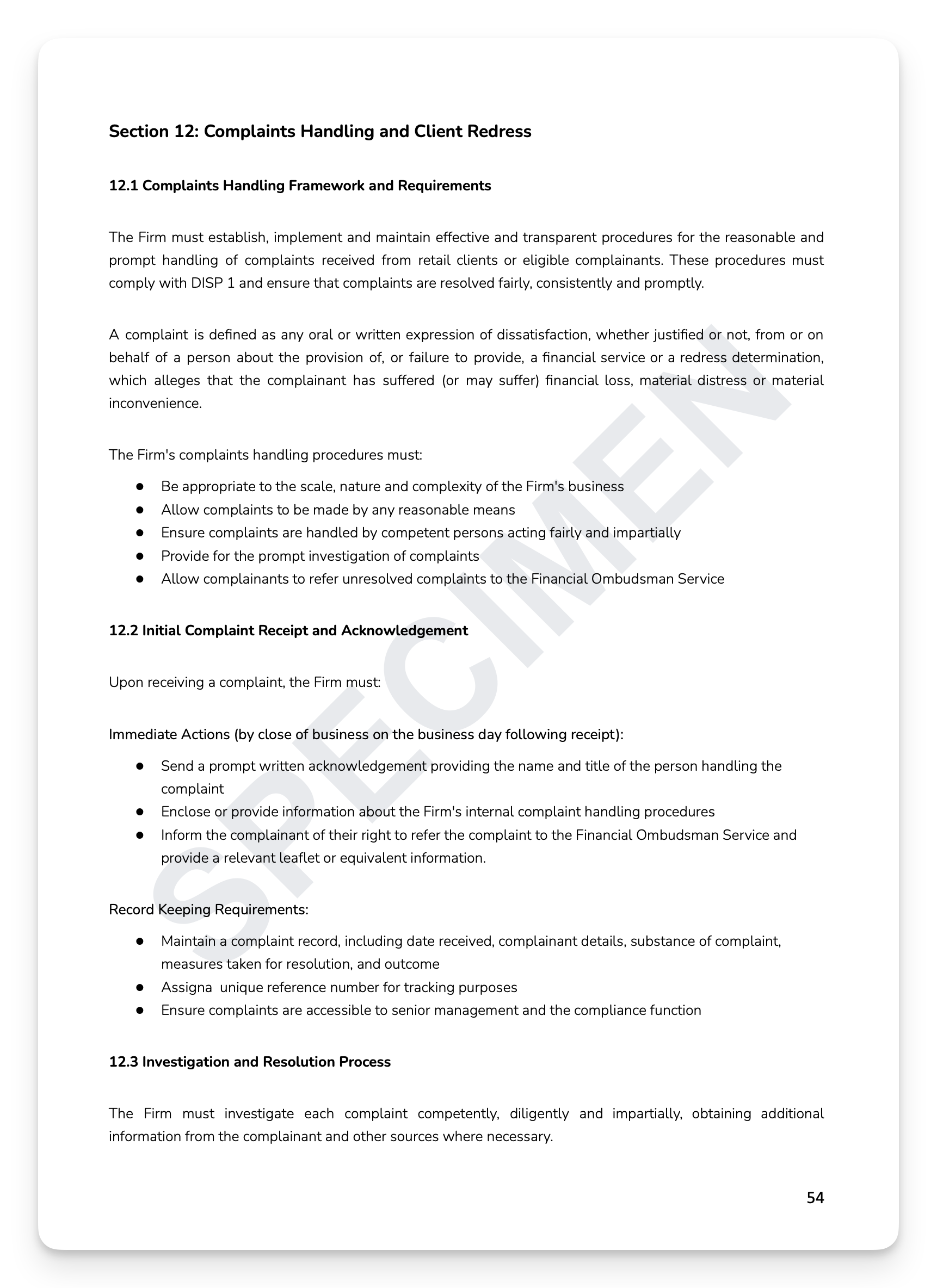
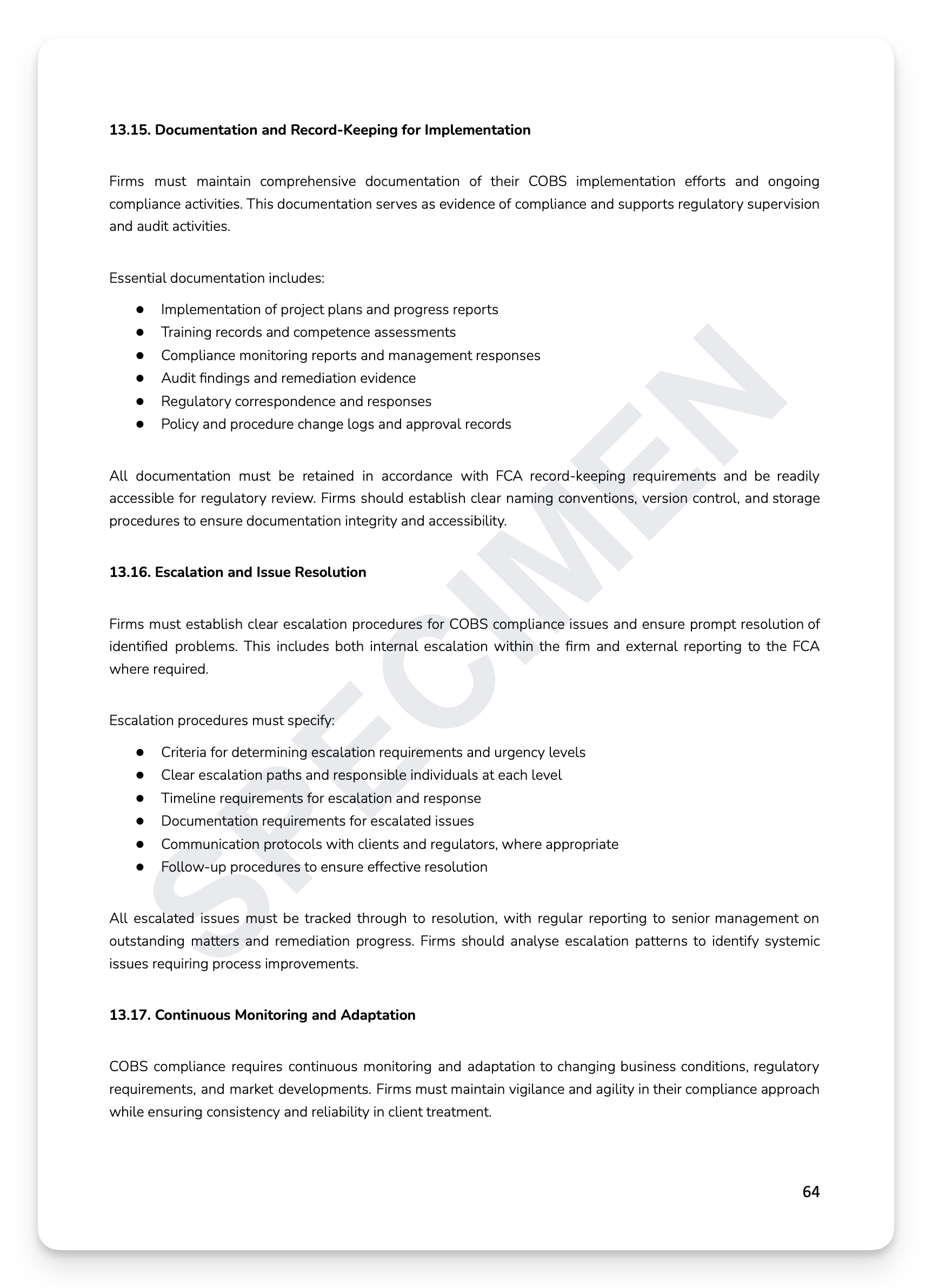
Step 1 — Read it. Every section exists for a reason, grounded in a specific regulatory obligation.
Step 2 — Understand it. Map the content against your current practices. Identify where you're strong and where gaps exist.
Step 3 — Make it yours. Tailor the language to reflect how your organisation actually operates. A policy that sounds like your firm is a policy your people will follow.
Step 4 — Take ownership. Assign clear accountability — Board approval, named SMF holder, designated policy owner. A policy without an owner is a liability, not an asset.
Step 5 — Operationalise it. Embed the policy into your governance calendar, training programme, and annual review cycle. This is where compliance becomes culture.
Or, get this free with RegTechPRO
Access this alongside the full compliance policy library — SM&CR, COBS, AML, Consumer Duty, GDPR, and more — for a fraction of the cost of consultancy.
View RegTechPRO pricing and packages →
Under UK MAR Article 16, every FCA-authorised firm has a mandatory obligation to submit a Suspicious Transaction and Order Report when there are reasonable grounds to suspect market abuse. There's no discretion — failure to report is itself a regulatory breach. But when the moment arrives, the last thing compliance staff need is to be drafting a report from scratch under time pressure. When reasonable suspicion arises, the clock starts. Have the form ready.
What's included:
Section 1: reporting firm and individual identity, acting capacity, instrument type, relationship to suspected party, and follow-up contact details
Section 2: full financial instrument description including ISIN/identifier codes, OTC derivative fields, date and time of suspicious activity with timezone, trading venue name and code, order and transaction reference with settlement details, price, and volume
Section 3: suspicion type classification — market manipulation, insider dealing, attempted manipulation, and attempted insider dealing — with free-text narrative field
Section 4: suspected person identity fields — name, date of birth, national identification number, address, employment details, cash and securities account numbers, MiFIR client identifier, and issuer relationship
Section 5: background context, other involved entities, and supporting documentation index
Section 6: evidence and annexe register — with signed declaration of accuracy and 5-year mandatory retention reminder
+ much more
Who is this for?
Compliance Officers, MLROs, and surveillance teams at FCA-authorised investment and wealth management firms who need a regulation-ready STOR submission template for immediate use when reasonable suspicion of market abuse is identified.
How it works
Step 1 — Read it. Every section exists for a reason, grounded in a specific regulatory obligation.
Step 2 — Understand it. Map the content against your current practices. Identify where you're strong and where gaps exist.
Step 3 — Make it yours. Tailor the language to reflect how your organisation actually operates. A policy that sounds like your firm is a policy your people will follow.
Step 4 — Take ownership. Assign clear accountability — Board approval, named SMF holder, designated policy owner. A policy without an owner is a liability, not an asset.
Step 5 — Operationalise it. Embed the policy into your governance calendar, training programme, and annual review cycle. This is where compliance becomes culture.
Or, get this free with RegTechPRO
Access this alongside the full compliance policy library — SM&CR, COBS, AML, Consumer Duty, GDPR, and more — for a fraction of the cost of consultancy.
View RegTechPRO pricing and packages →


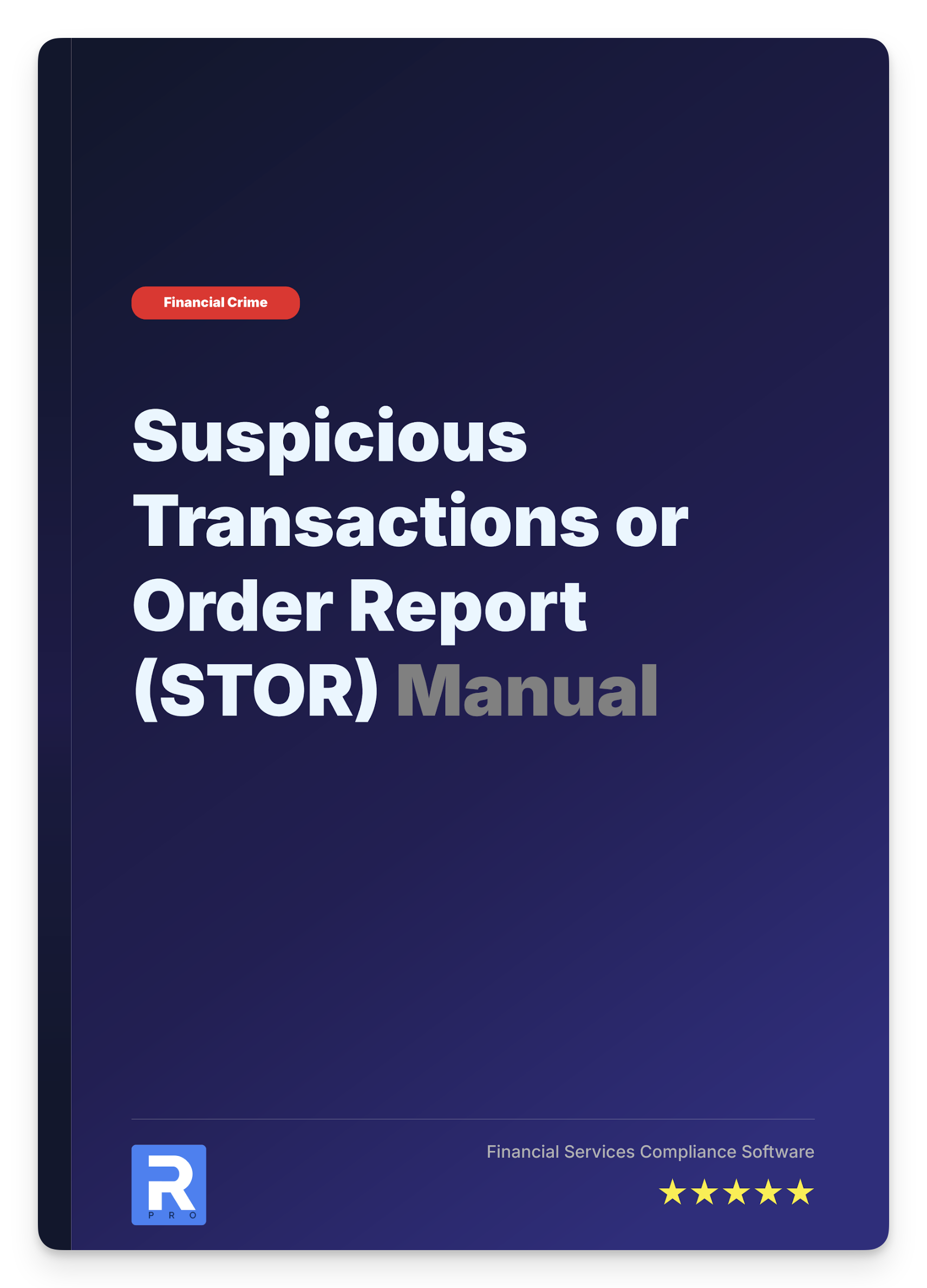 Image 1 of 4
 Image 2 of 4
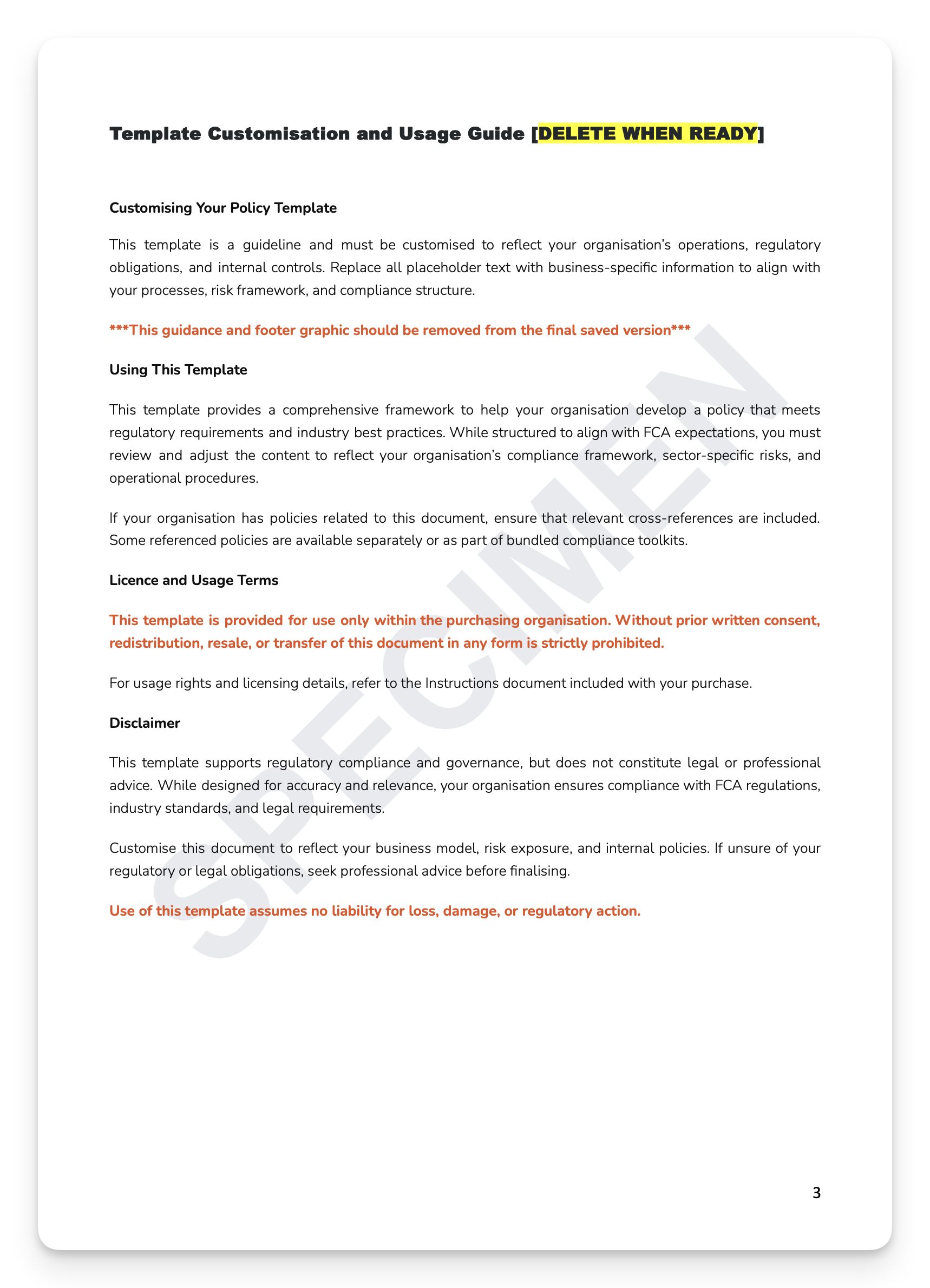 Image 3 of 4
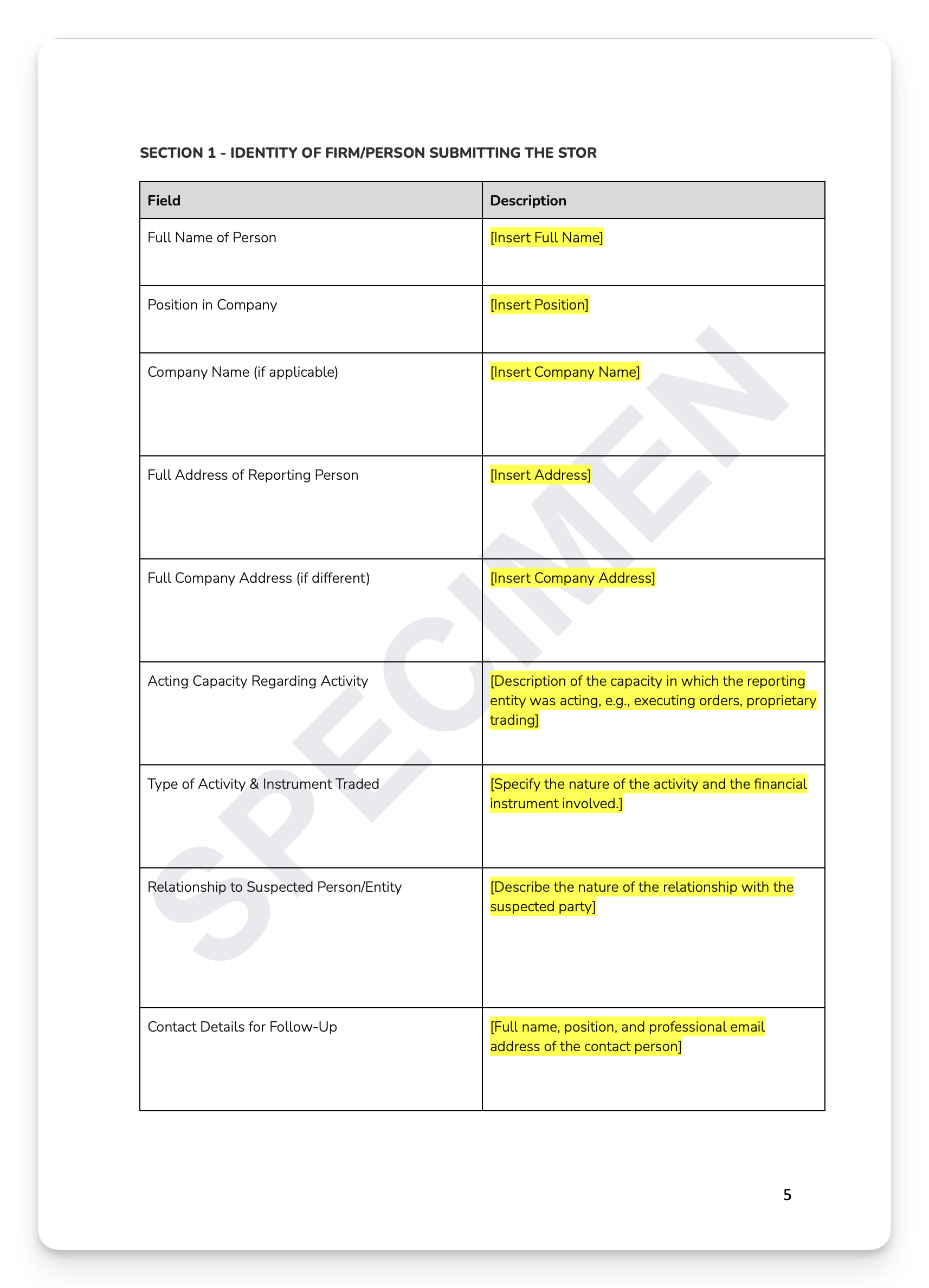 Image 4 of 4