Image 1 of 1
Equal Pay Policy Template
Equal Pay Isn't Just an Employment Law Obligation. For FCA-Regulated Firms, It's a Governance One.
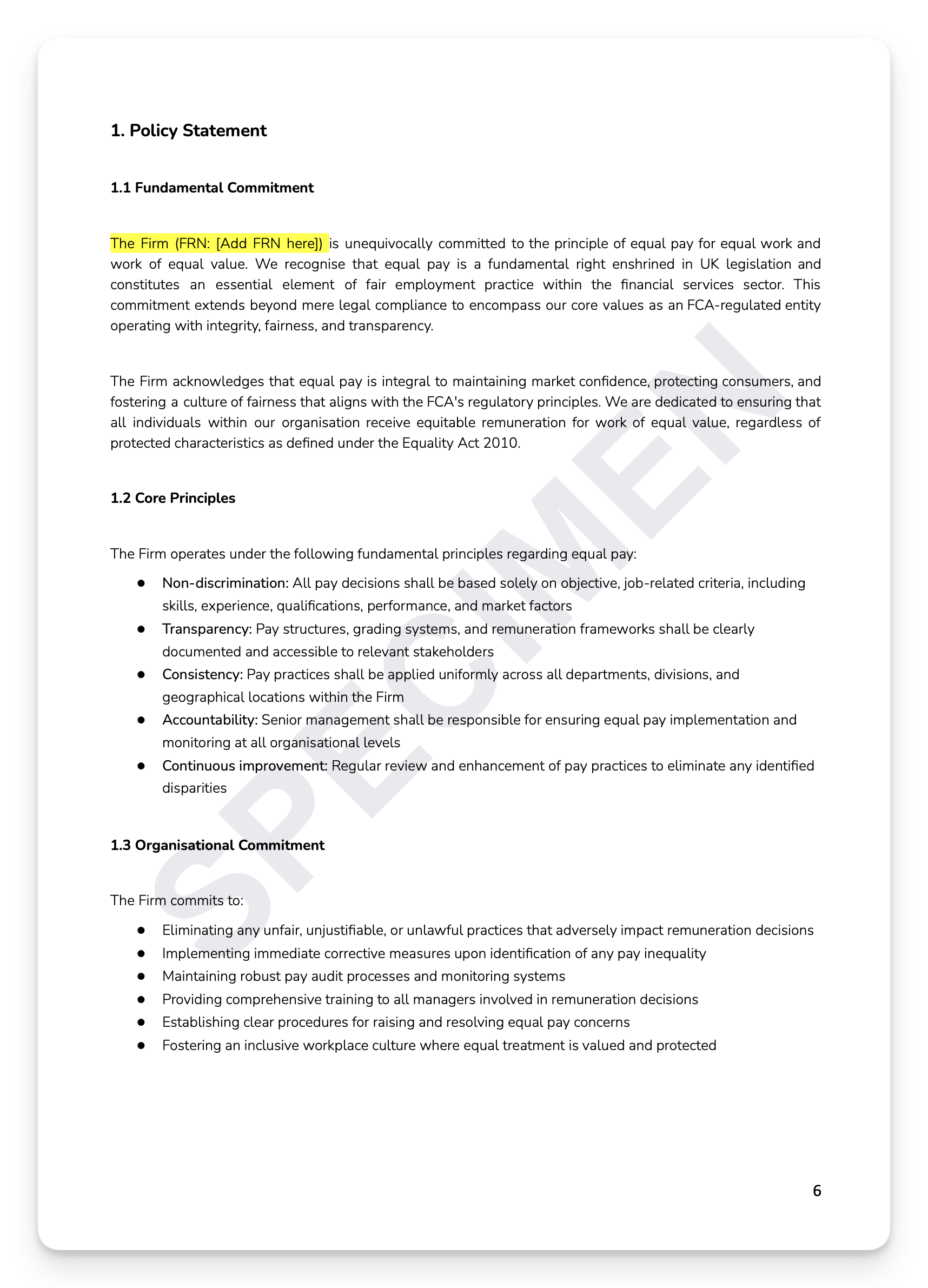
The Equality Act 2010 gives employees a legal right to equal pay for equal work, work rated as equivalent, and work of equal value. That right covers not just basic salary but every element of remuneration — bonuses, overtime rates, shift allowances, commission, pension contributions, healthcare, car allowances, long-term incentive plans, and share options. Equal pay claims can reach back six years. They attract back pay calculations including pension contributions and statutory interest. They result in Employment Tribunal proceedings that are public, expensive, and reputationally damaging. And for FCA-regulated firms, they don't stop there. A Senior Manager whose pay decisions are found to be discriminatory faces fitness and propriety questions under SYSC 22. A firm that can't demonstrate systematic pay auditing, objective job evaluation, and documented remediation processes can't demonstrate to the FCA that its governance, systems and controls, and SM&CR oversight are adequate. The Gender Pay Gap Information Regulations 2017 add mandatory annual reporting obligations for qualifying firms. The Equality and Human Rights Commission codes of practice are admissible in Employment Tribunal proceedings — meaning best practice isn't optional, it's evidentiary. This comprehensive Equal Pay Policy gives FCA-regulated firms a complete Equality Act and FCA-aligned framework: legal definitions, pay grading structures, job evaluation methodology, pay audit framework, statistical gap analysis triggers, dispute resolution procedures, back pay calculation methodology, transparency obligations, training requirements, and governance — built to satisfy both the Employment Tribunal and the regulator.
A pay gap you don't find, they will.
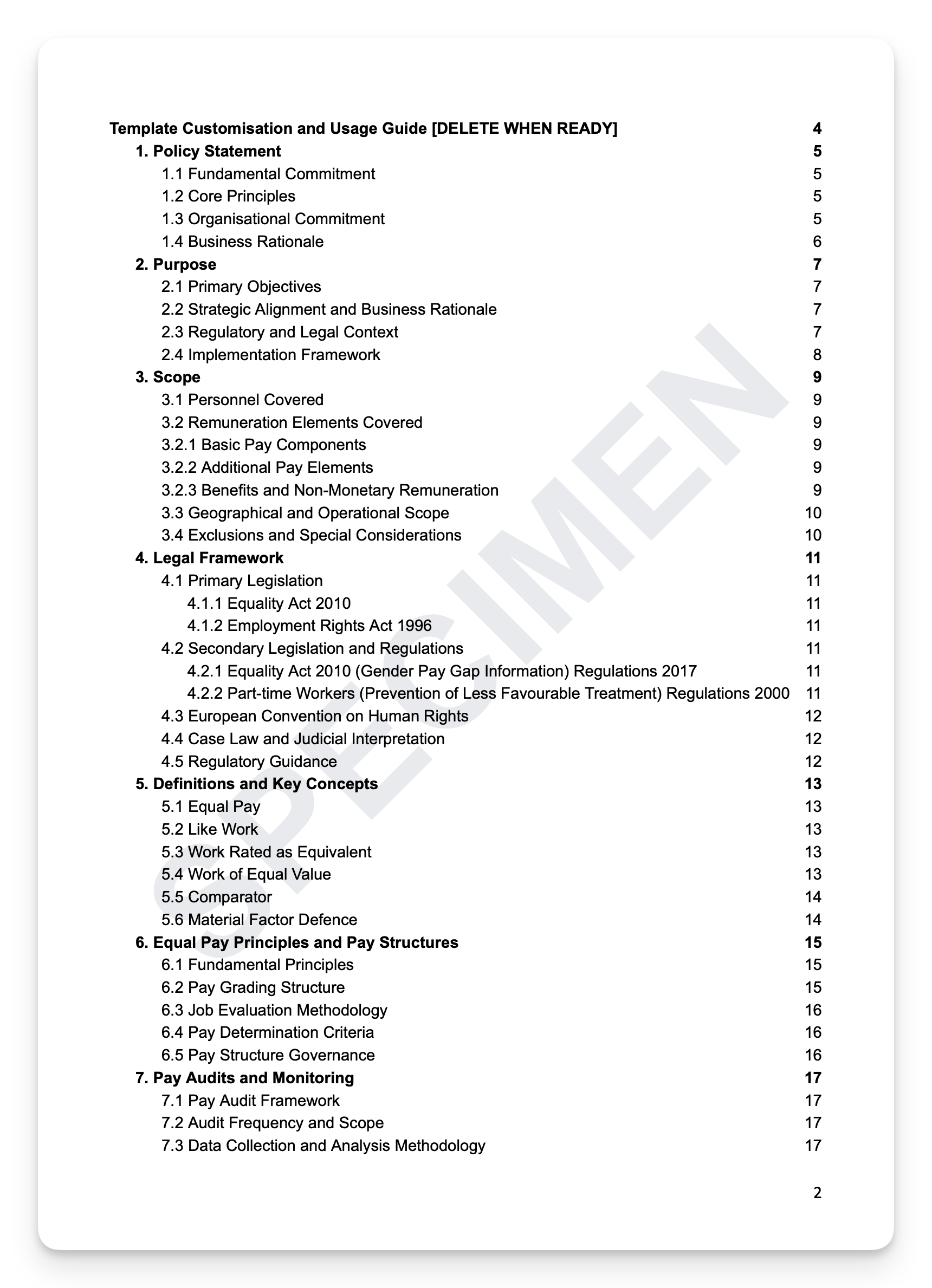
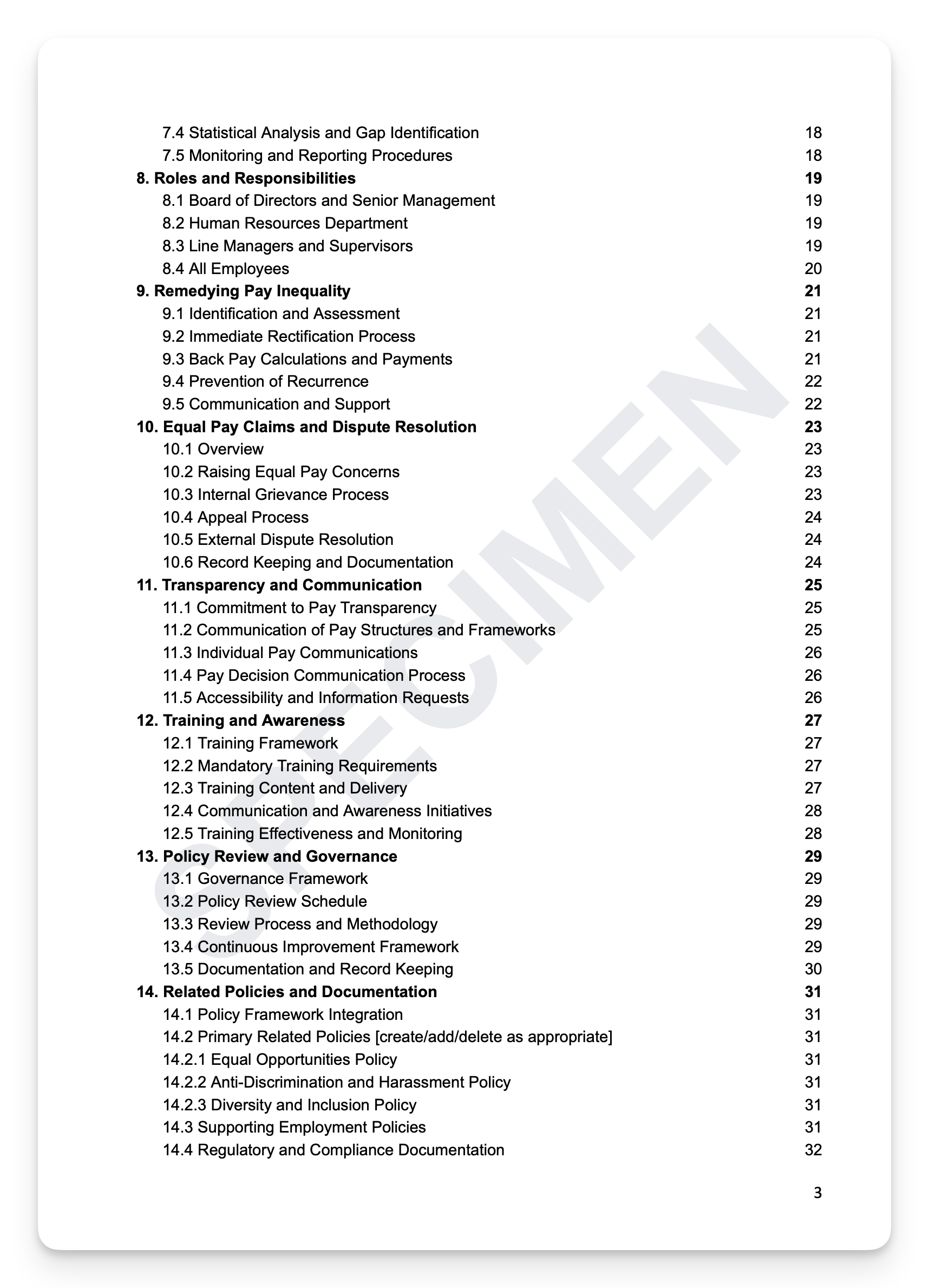
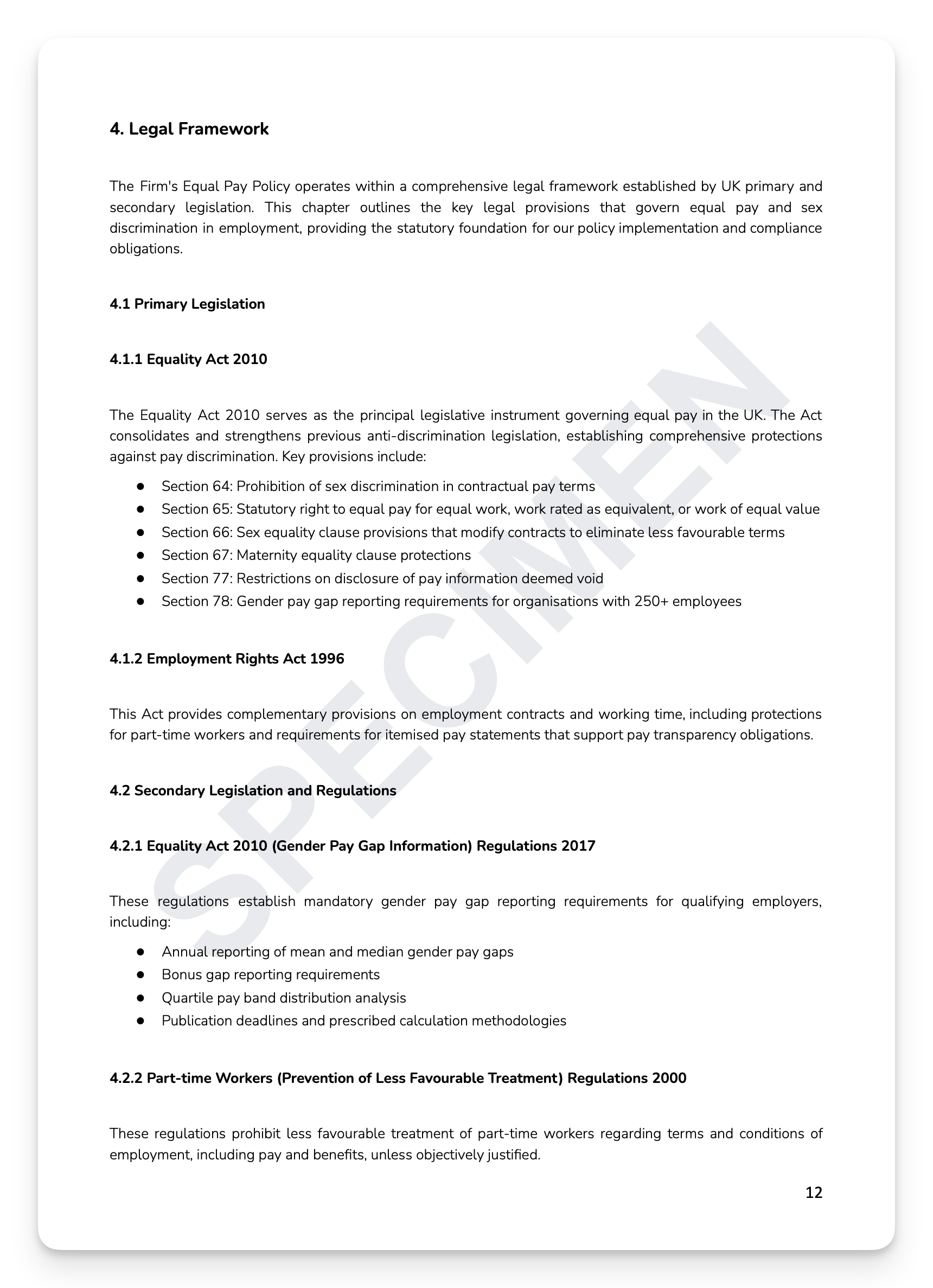
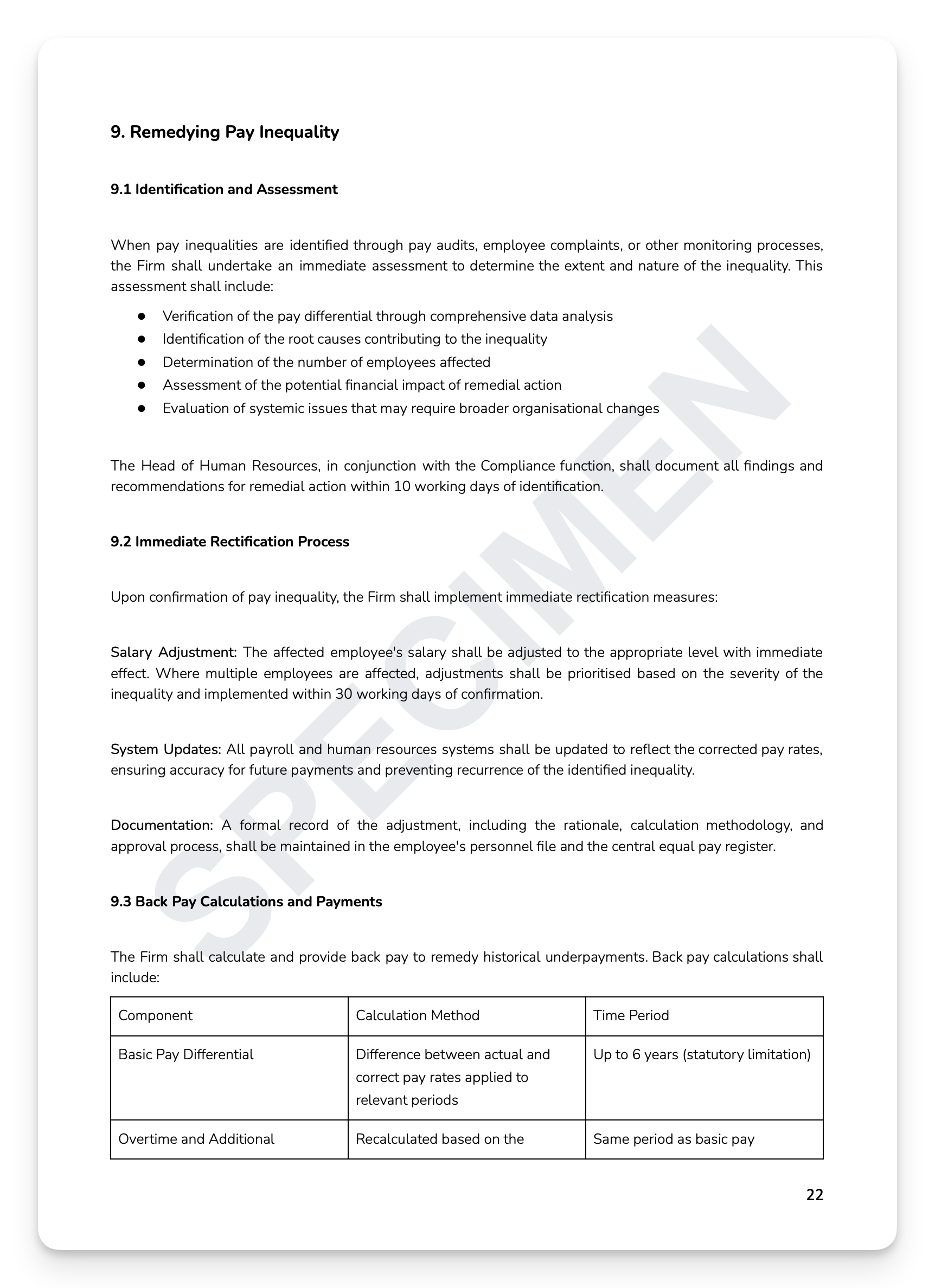
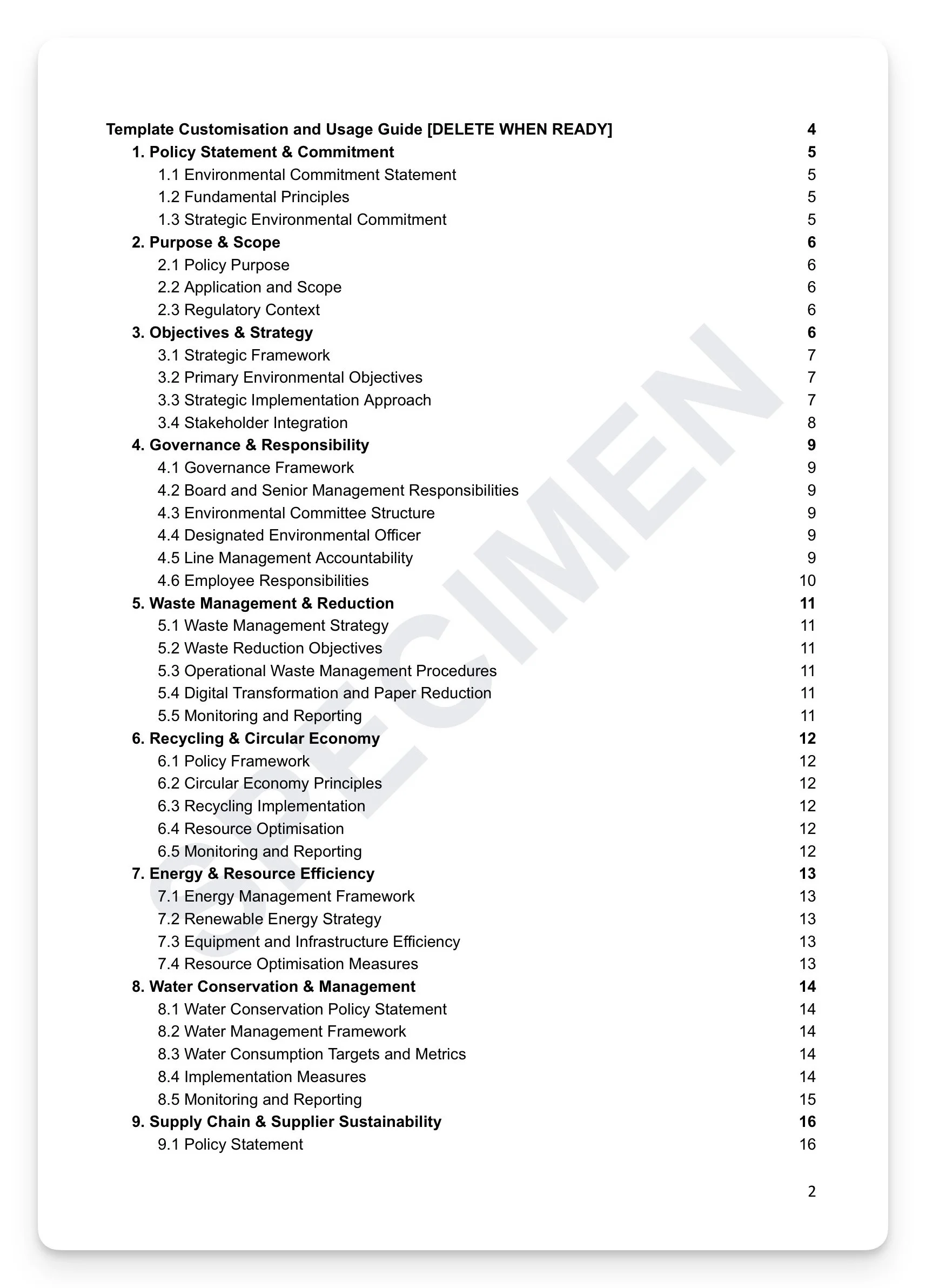
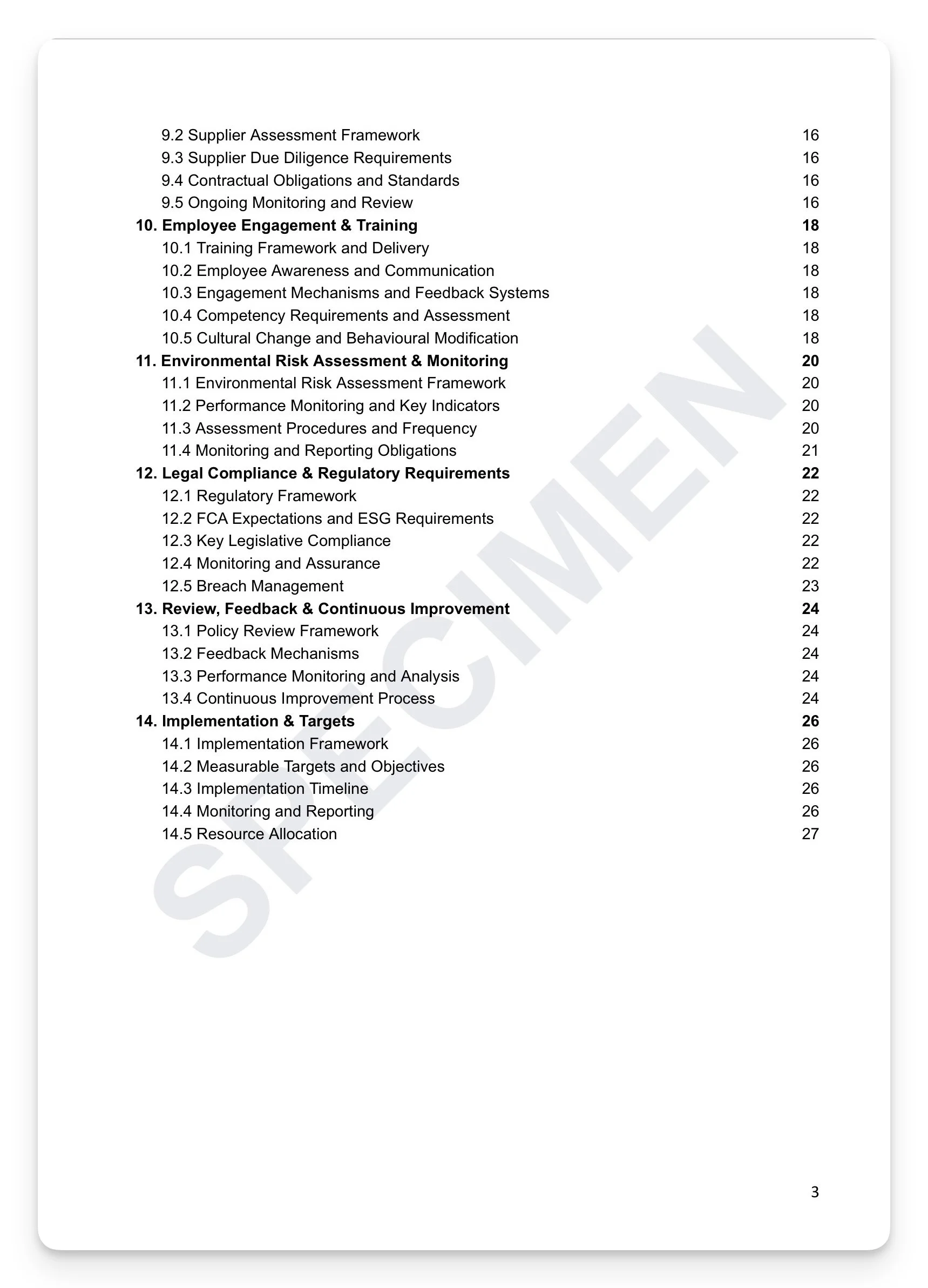
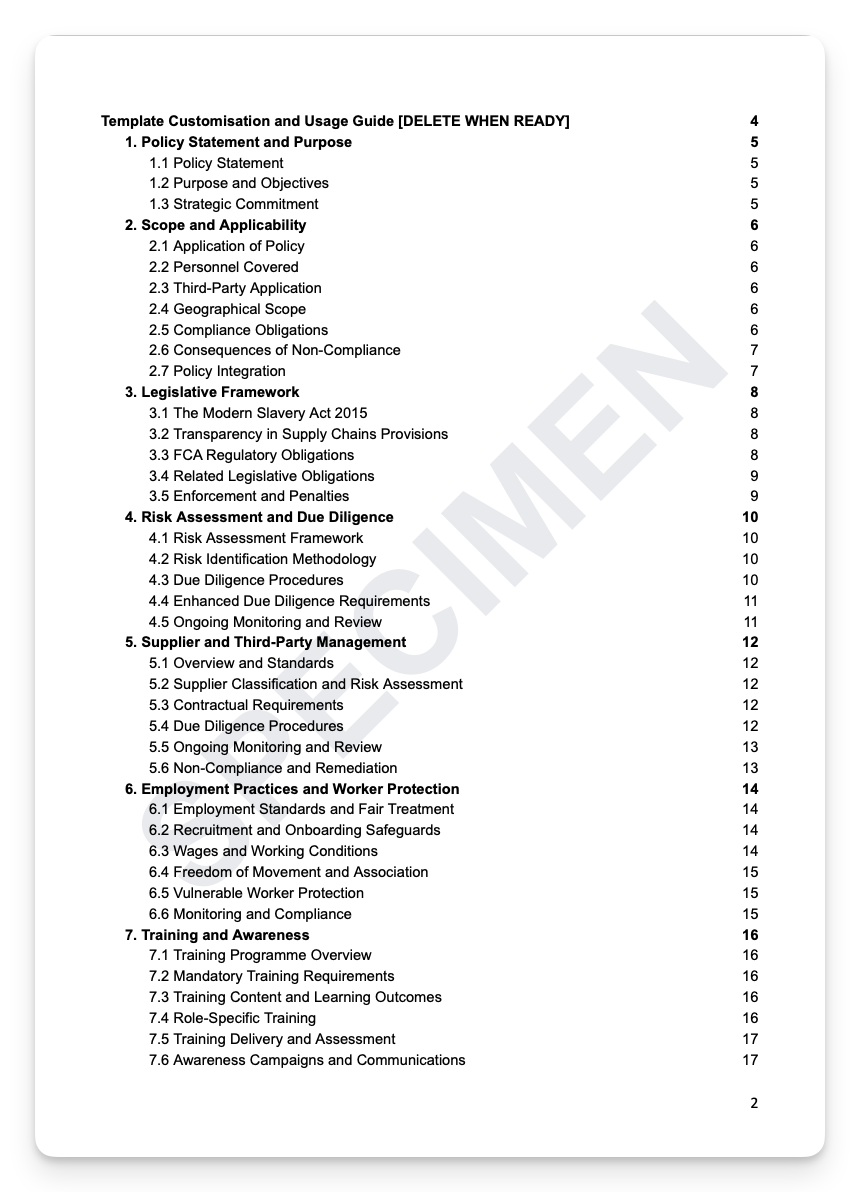
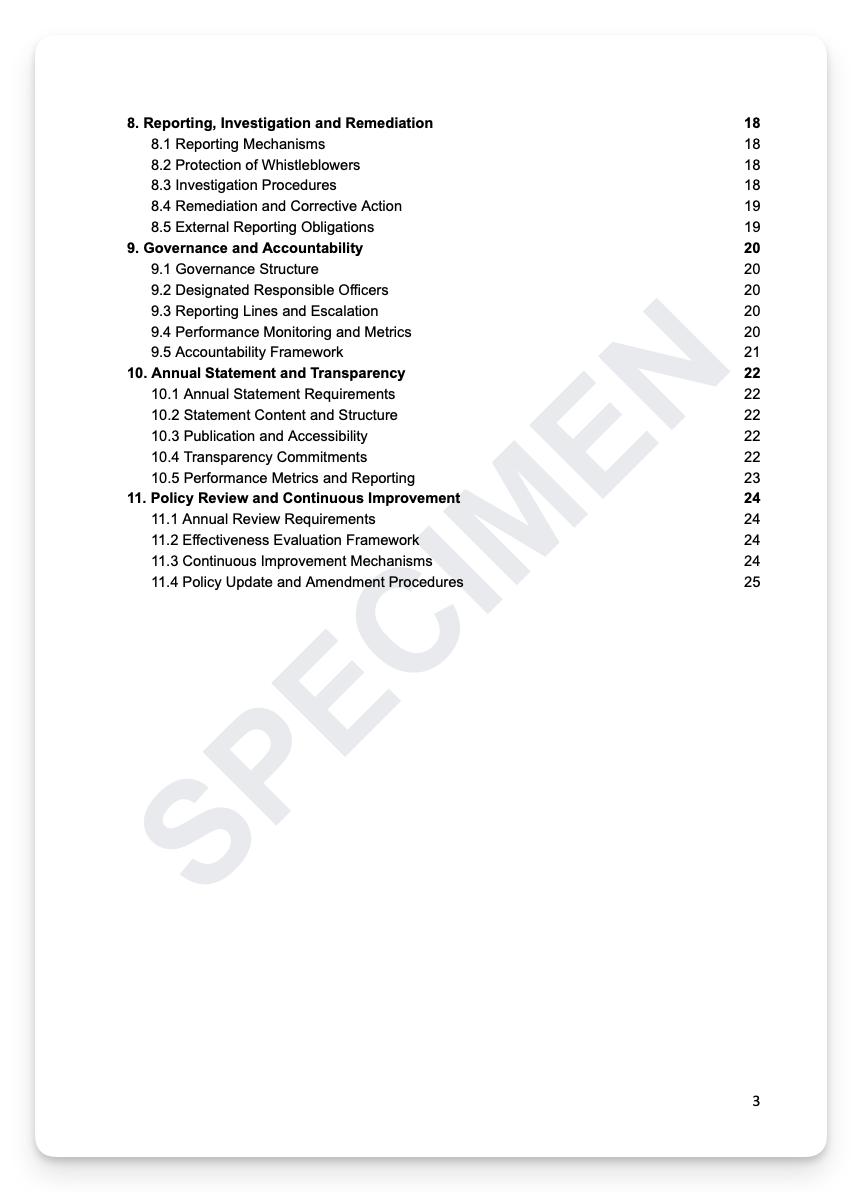
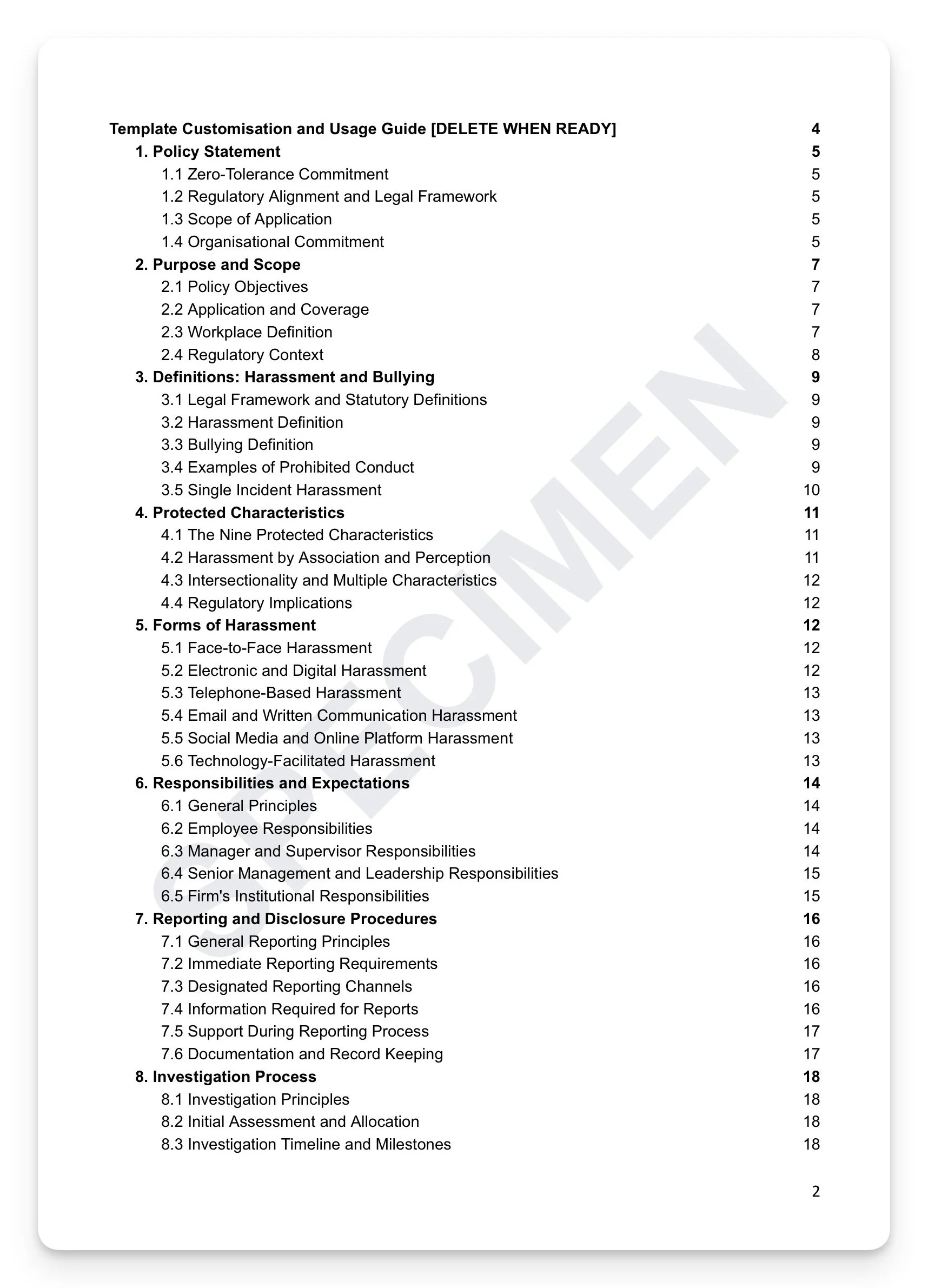
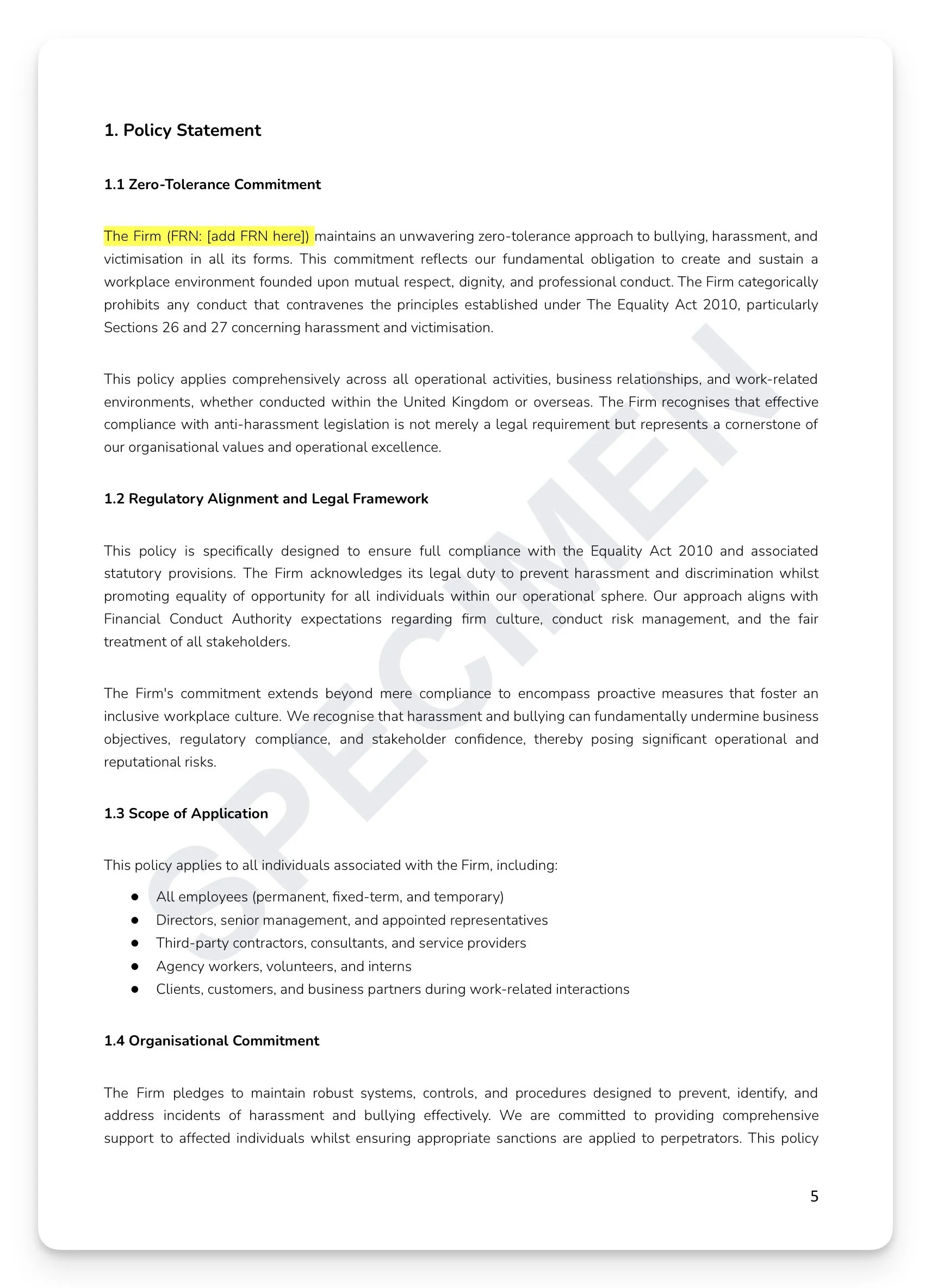
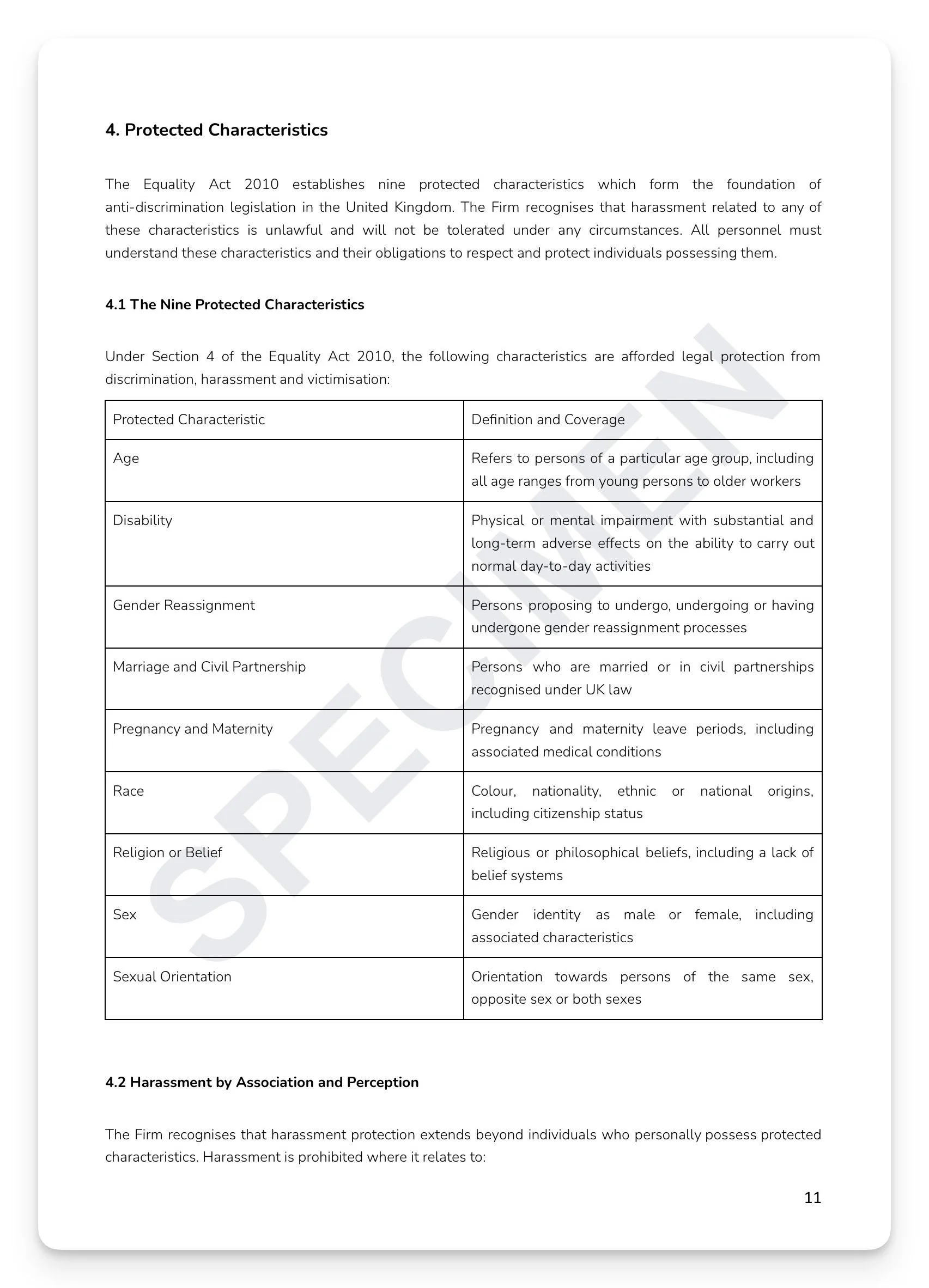
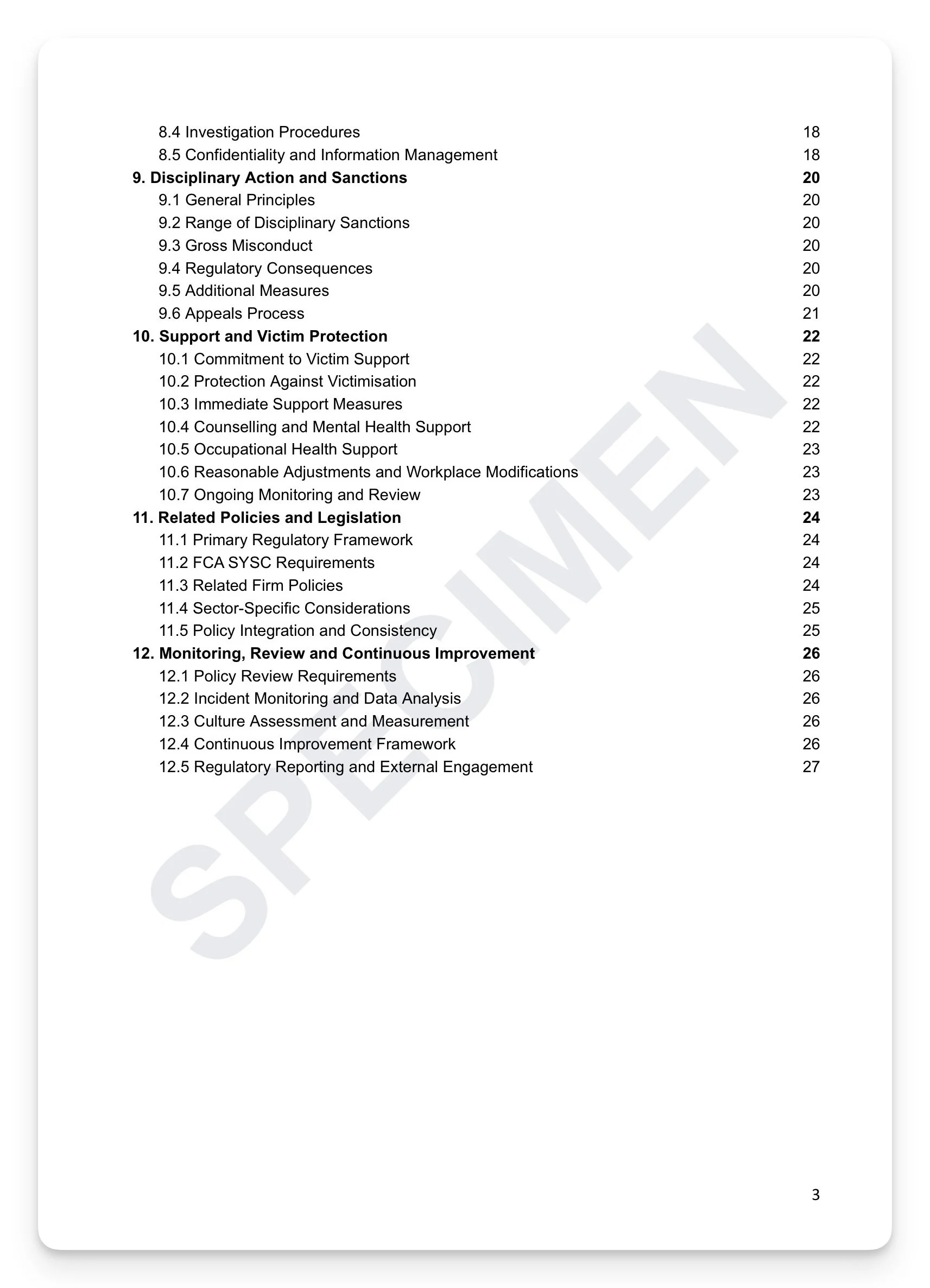
What's included: Full legislative and regulatory mapping — Equality Act 2010 ss64/65/66/67/77/78 (sex discrimination in contractual pay/equal work right/sex equality clause/maternity equality clause/pay secrecy void provisions/gender pay gap reporting for 250+ employees), Equality Act 2010 (Gender Pay Gap Information) Regulations 2017 (mean and median gap reporting/bonus gap/quartile distribution/publication deadlines/prescribed methodologies), Part-time Workers (Prevention of Less Favourable Treatment) Regulations 2000, Employment Rights Act 1996, Human Rights Act 1998 Article 14 (non-discrimination), ACAS Code of Practice (admissible in Employment Tribunal proceedings), Equality and Human Rights Commission statutory guidance, FCA SYSC (governance/systems and controls), SYSC 22 (regulatory references — fitness and propriety implications), SM&CR Individual Conduct Rules · Five-concept equal pay framework with statutory definitions — Equal Pay (same contractual terms for like work/work rated as equivalent/work of equal value), Like Work (same or broadly similar with differences not of practical importance), Work Rated as Equivalent (analytical job evaluation across skill/effort/decision-making/conditions), Work of Equal Value (different work making equal demands — recognises gender-segregated role comparisons), Comparator (opposite sex/same or associated employer/contemporaneous or predecessor within reasonable period), Material Factor Defence (significant/causative/non-discriminatory justification — qualifications/experience/performance/market forces/geography — applied objectively and proportionately) · Pay grading structure — four-tier Grade 1-10+ framework (Administrative-Support/Specialist-Technical/Management-Expert/Executive-Director) with job evaluation methodology: Knowledge and Skills/Mental Effort/Physical Requirements/Responsibilities/Working Conditions — points-based system/trained evaluators/independent review for Grade 7+ · Comprehensive remuneration scope — basic salary/hourly/piece rates/day rates, plus overtime/shift allowances/on-call/acting-up/market supplements/location allowances/commission/discretionary and contractual bonus/LTIP, plus pension/company car/PMI/life assurance/annual leave/professional development/flexible working monetary value/share options · Pay audit framework — annual comprehensive (all employees/all protected characteristics), quarterly focused (high-risk categories/areas of concern), ad-hoc (post-restructure/post-acquisition/material pay structure changes), immediate (complaint receipt/identified disparity) — covering all remuneration elements · Statistical analysis methodology — mean and median pay gap calculations/regression analysis controlling for legitimate factors (experience/qualifications/performance)/quartile distribution analysis/like-for-like role comparisons — 5% threshold post-legitimate-factor control triggers immediate investigation and remedial action planning · Back pay calculation matrix — basic pay differential (up to 6-year statutory limitation)/overtime recalculated at corrected rate/additional employer and employee pension contributions/statutory interest from date payment due — processed through next available payroll with detailed employee statements · Remediation process — 10-day Head of HR documentation/30-day salary adjustment implementation (multiple affected employees)/payroll and HR system updates/formal central equal pay register entry · Dispute resolution — informal resolution 10 working days/formal written grievance (details/comparators/supporting evidence/desired outcome)/20-day investigation with independent investigating manager/10-day appeal to uninvolved Senior Manager/ACAS Early Conciliation/Employment Tribunal (6-month limitation) · Pay transparency framework — pay bands and grades on employee portal/job evaluation methodology on intranet/pay progression criteria in handbook/bonus and incentive scheme documentation — individual communications: grade placement/additional pay elements/bonus calculation/progression opportunities · Training requirements — General Awareness all employees within 3 months of joining then annually (2 hours)/Manager Training within 1 month of appointment (4 hours)/HR/Payroll Specialist within 1 month of appointment (6 hours)/Senior Leadership/SMF (3 hours, strategic governance focus) — quarterly completion reporting to SMF · Annual pay gap reporting obligations explicitly addressed for qualifying firms under the 2017 Regulations
Built for: Compliance Officers, HR Directors, Remuneration Committee members, SMF16 holders, and board members at FCA-regulated firms who need a complete Equality Act 2010 and FCA-aligned Equal Pay Policy covering every element of remuneration, systematic audit and statistical analysis, back pay remediation, dispute resolution, and governance accountability — protecting the firm against Employment Tribunal exposure, gender pay gap reporting obligations, and FCA fitness and propriety consequences simultaneously.
Equal Pay Isn't Just an Employment Law Obligation. For FCA-Regulated Firms, It's a Governance One.
The Equality Act 2010 gives employees a legal right to equal pay for equal work, work rated as equivalent, and work of equal value. That right covers not just basic salary but every element of remuneration — bonuses, overtime rates, shift allowances, commission, pension contributions, healthcare, car allowances, long-term incentive plans, and share options. Equal pay claims can reach back six years. They attract back pay calculations including pension contributions and statutory interest. They result in Employment Tribunal proceedings that are public, expensive, and reputationally damaging. And for FCA-regulated firms, they don't stop there. A Senior Manager whose pay decisions are found to be discriminatory faces fitness and propriety questions under SYSC 22. A firm that can't demonstrate systematic pay auditing, objective job evaluation, and documented remediation processes can't demonstrate to the FCA that its governance, systems and controls, and SM&CR oversight are adequate. The Gender Pay Gap Information Regulations 2017 add mandatory annual reporting obligations for qualifying firms. The Equality and Human Rights Commission codes of practice are admissible in Employment Tribunal proceedings — meaning best practice isn't optional, it's evidentiary. This comprehensive Equal Pay Policy gives FCA-regulated firms a complete Equality Act and FCA-aligned framework: legal definitions, pay grading structures, job evaluation methodology, pay audit framework, statistical gap analysis triggers, dispute resolution procedures, back pay calculation methodology, transparency obligations, training requirements, and governance — built to satisfy both the Employment Tribunal and the regulator.
A pay gap you don't find, they will.
What's included: Full legislative and regulatory mapping — Equality Act 2010 ss64/65/66/67/77/78 (sex discrimination in contractual pay/equal work right/sex equality clause/maternity equality clause/pay secrecy void provisions/gender pay gap reporting for 250+ employees), Equality Act 2010 (Gender Pay Gap Information) Regulations 2017 (mean and median gap reporting/bonus gap/quartile distribution/publication deadlines/prescribed methodologies), Part-time Workers (Prevention of Less Favourable Treatment) Regulations 2000, Employment Rights Act 1996, Human Rights Act 1998 Article 14 (non-discrimination), ACAS Code of Practice (admissible in Employment Tribunal proceedings), Equality and Human Rights Commission statutory guidance, FCA SYSC (governance/systems and controls), SYSC 22 (regulatory references — fitness and propriety implications), SM&CR Individual Conduct Rules · Five-concept equal pay framework with statutory definitions — Equal Pay (same contractual terms for like work/work rated as equivalent/work of equal value), Like Work (same or broadly similar with differences not of practical importance), Work Rated as Equivalent (analytical job evaluation across skill/effort/decision-making/conditions), Work of Equal Value (different work making equal demands — recognises gender-segregated role comparisons), Comparator (opposite sex/same or associated employer/contemporaneous or predecessor within reasonable period), Material Factor Defence (significant/causative/non-discriminatory justification — qualifications/experience/performance/market forces/geography — applied objectively and proportionately) · Pay grading structure — four-tier Grade 1-10+ framework (Administrative-Support/Specialist-Technical/Management-Expert/Executive-Director) with job evaluation methodology: Knowledge and Skills/Mental Effort/Physical Requirements/Responsibilities/Working Conditions — points-based system/trained evaluators/independent review for Grade 7+ · Comprehensive remuneration scope — basic salary/hourly/piece rates/day rates, plus overtime/shift allowances/on-call/acting-up/market supplements/location allowances/commission/discretionary and contractual bonus/LTIP, plus pension/company car/PMI/life assurance/annual leave/professional development/flexible working monetary value/share options · Pay audit framework — annual comprehensive (all employees/all protected characteristics), quarterly focused (high-risk categories/areas of concern), ad-hoc (post-restructure/post-acquisition/material pay structure changes), immediate (complaint receipt/identified disparity) — covering all remuneration elements · Statistical analysis methodology — mean and median pay gap calculations/regression analysis controlling for legitimate factors (experience/qualifications/performance)/quartile distribution analysis/like-for-like role comparisons — 5% threshold post-legitimate-factor control triggers immediate investigation and remedial action planning · Back pay calculation matrix — basic pay differential (up to 6-year statutory limitation)/overtime recalculated at corrected rate/additional employer and employee pension contributions/statutory interest from date payment due — processed through next available payroll with detailed employee statements · Remediation process — 10-day Head of HR documentation/30-day salary adjustment implementation (multiple affected employees)/payroll and HR system updates/formal central equal pay register entry · Dispute resolution — informal resolution 10 working days/formal written grievance (details/comparators/supporting evidence/desired outcome)/20-day investigation with independent investigating manager/10-day appeal to uninvolved Senior Manager/ACAS Early Conciliation/Employment Tribunal (6-month limitation) · Pay transparency framework — pay bands and grades on employee portal/job evaluation methodology on intranet/pay progression criteria in handbook/bonus and incentive scheme documentation — individual communications: grade placement/additional pay elements/bonus calculation/progression opportunities · Training requirements — General Awareness all employees within 3 months of joining then annually (2 hours)/Manager Training within 1 month of appointment (4 hours)/HR/Payroll Specialist within 1 month of appointment (6 hours)/Senior Leadership/SMF (3 hours, strategic governance focus) — quarterly completion reporting to SMF · Annual pay gap reporting obligations explicitly addressed for qualifying firms under the 2017 Regulations
Built for: Compliance Officers, HR Directors, Remuneration Committee members, SMF16 holders, and board members at FCA-regulated firms who need a complete Equality Act 2010 and FCA-aligned Equal Pay Policy covering every element of remuneration, systematic audit and statistical analysis, back pay remediation, dispute resolution, and governance accountability — protecting the firm against Employment Tribunal exposure, gender pay gap reporting obligations, and FCA fitness and propriety consequences simultaneously.