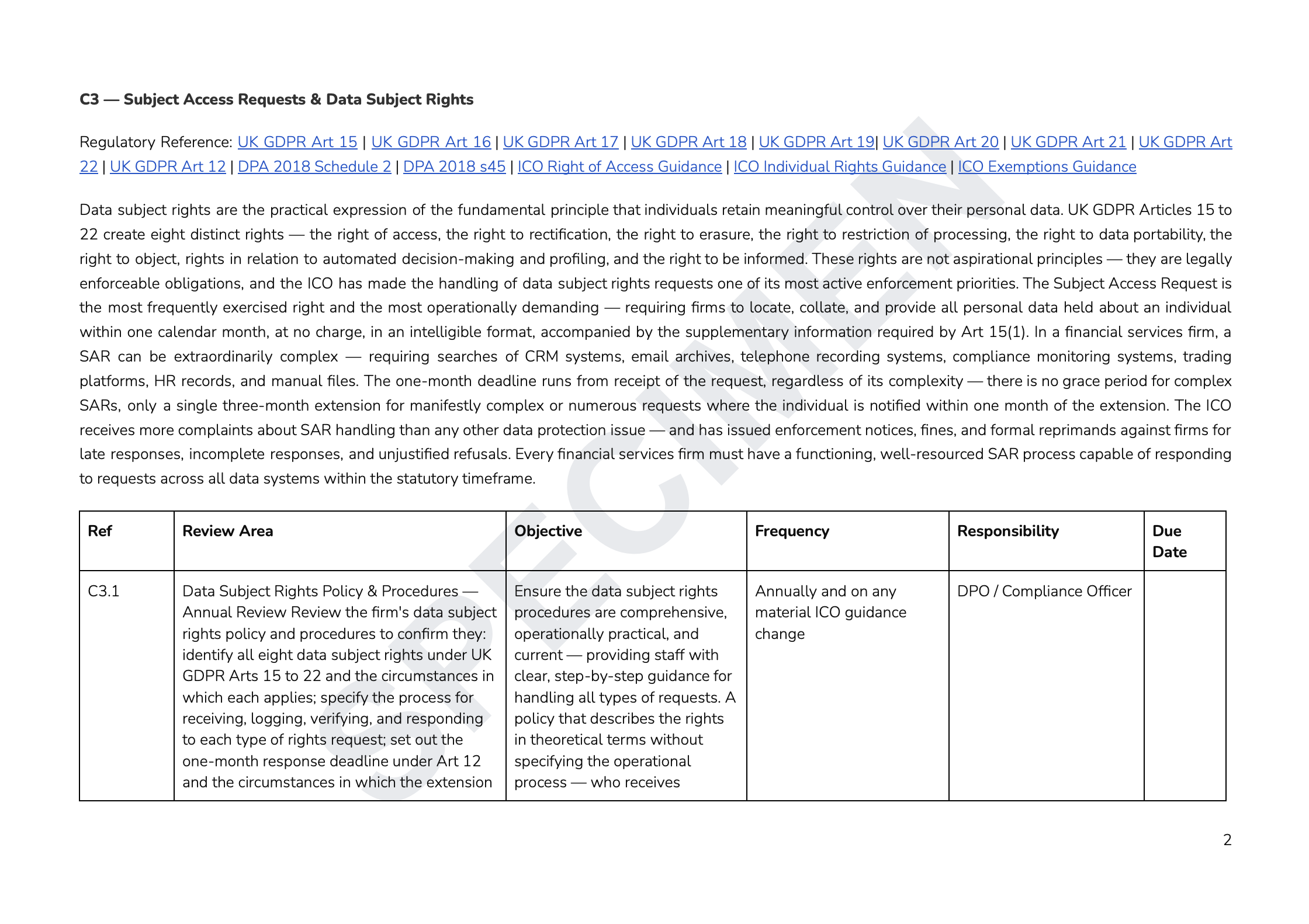
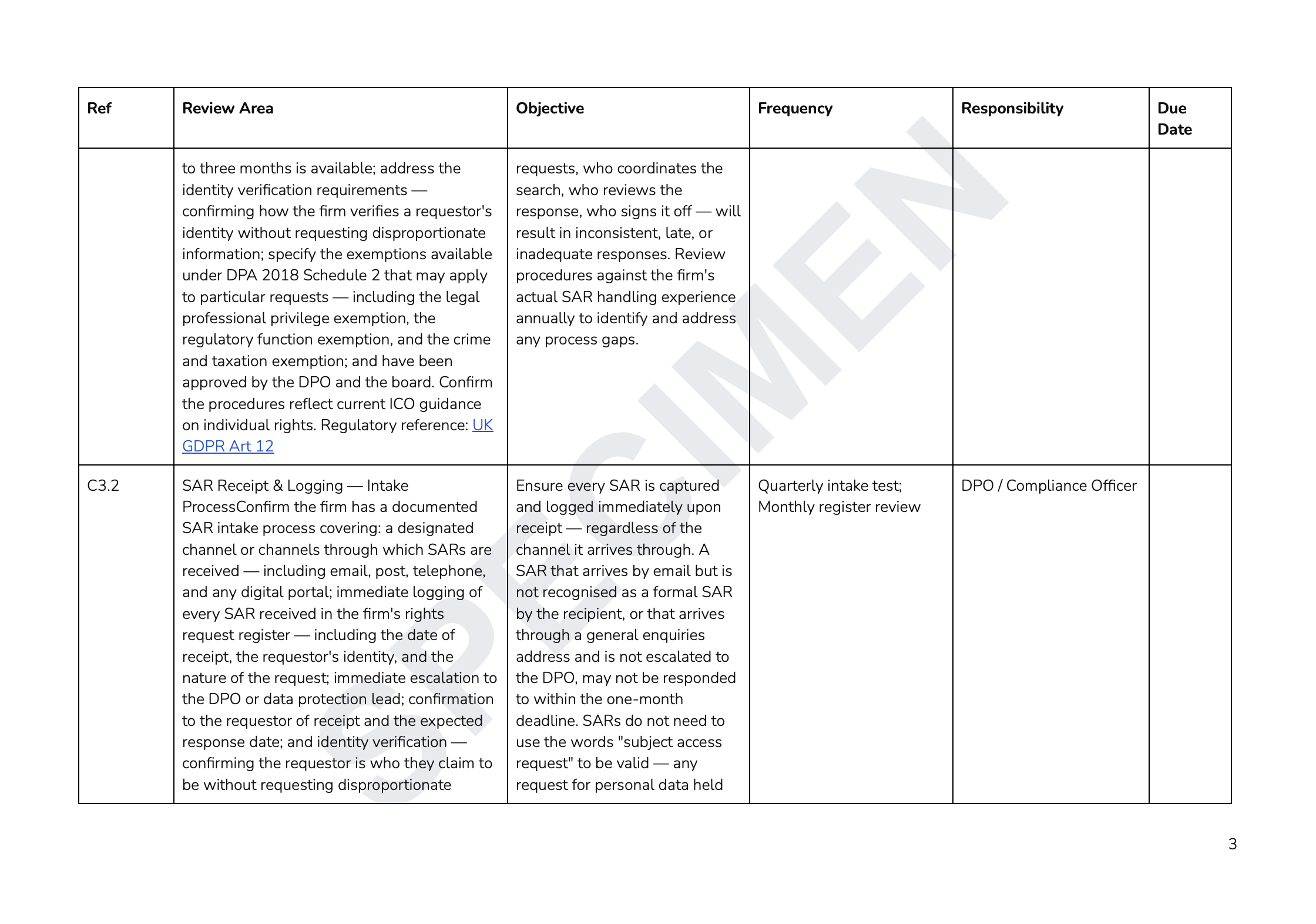
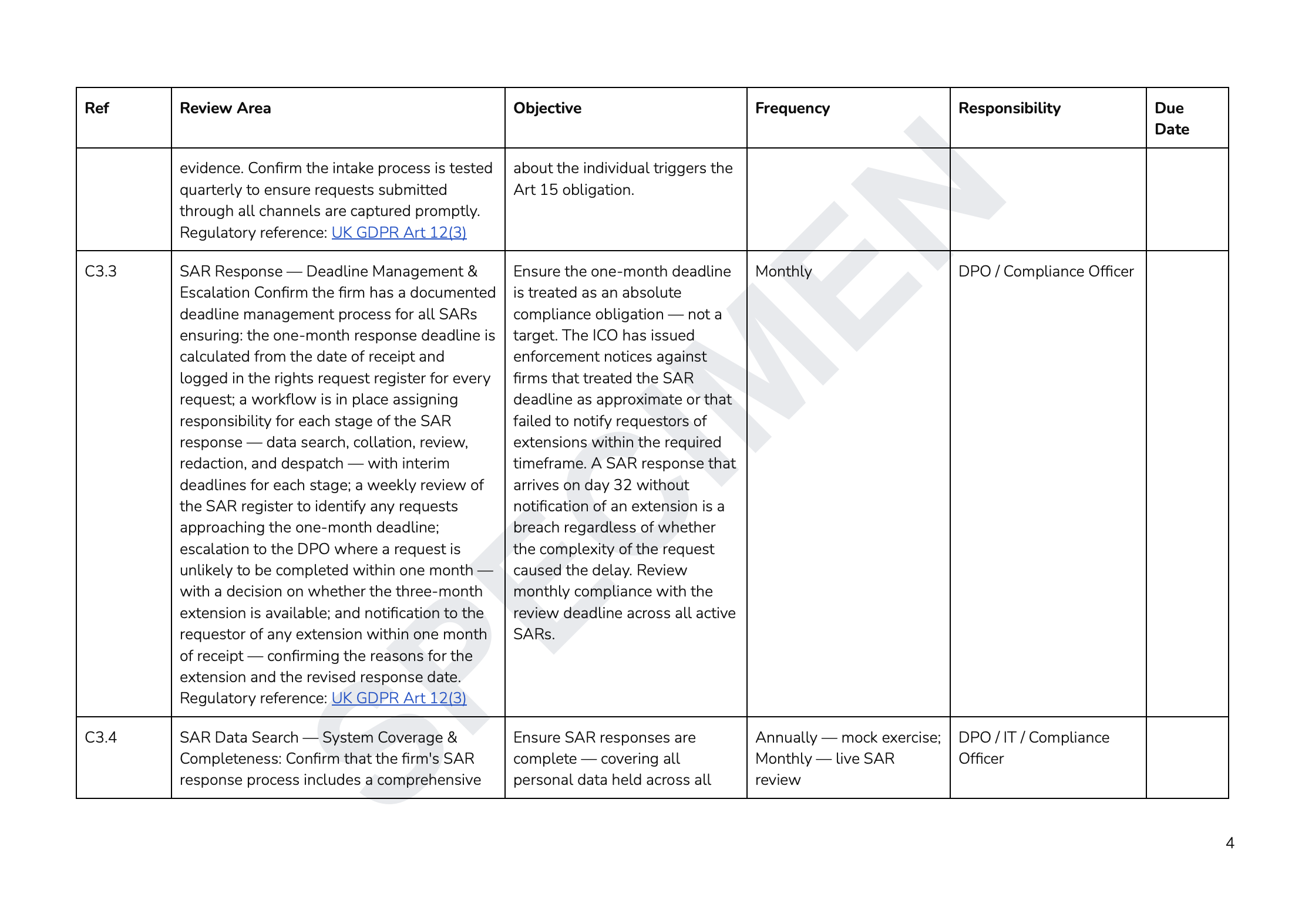
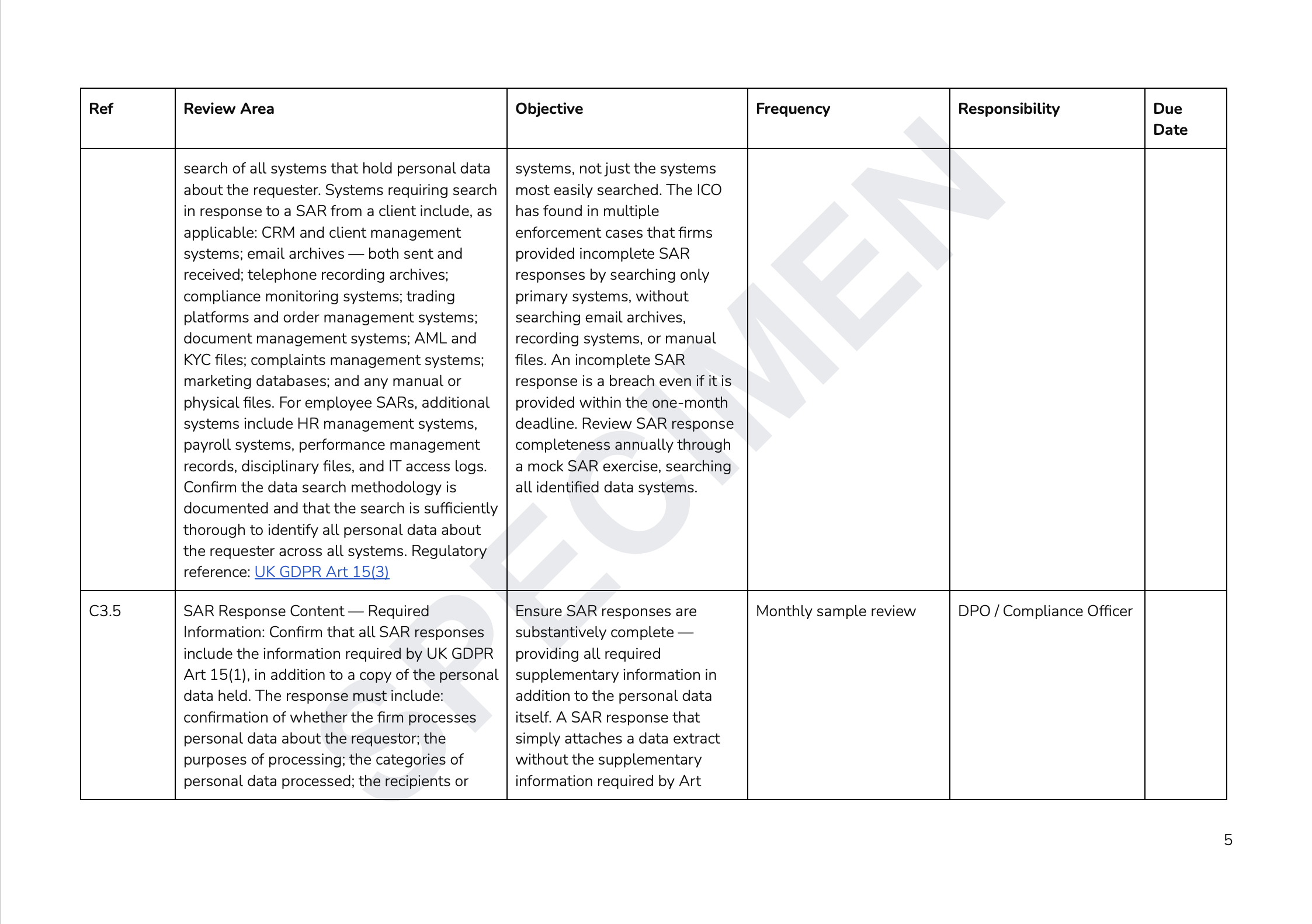
Most FCA-regulated firms can prove their people completed training. Far fewer can demonstrate a systematic process for identifying what training was needed in the first place — mapping individual competencies against regulatory requirements, quantifying gaps, and prioritising remediation by regulatory criticality. Under SYSC 3.1.1R, the TC Sourcebook, SM&CR, and Consumer Duty, competence must be assessed and documented — not assumed. A training completion spreadsheet isn't a skills gap analysis. The FCA doesn't wait.
What's included:
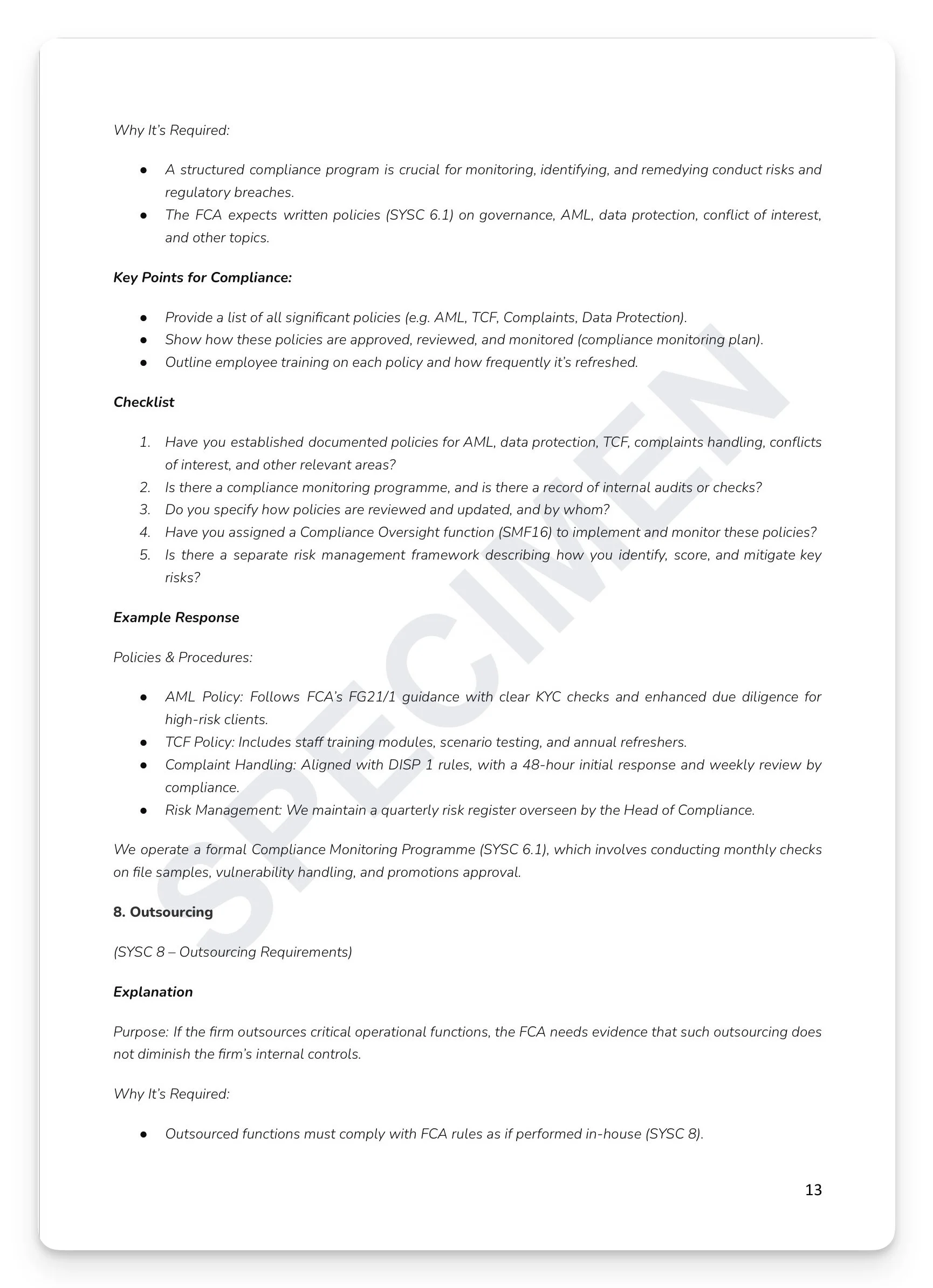
Full regulatory mapping: SYSC 3.1.1R, SYSC 5/5.1.1AR, TC 2.1.1R, SM&CR, Consumer Duty, CONC 2.3, COBS 2.5, and PSRs 2017
Four-tier skills classification: Tier 1 Regulatory (SM&CR, AML, Conduct Rules), Tier 2 Business, Tier 3 Role-Specific, and Tier 4 Optional/CPD
Gap prioritisation matrix: High (30 days), Intermediate (90 days), and Low (180 days) — with regulatory criticality and customer detriment assessment
Training and development planning: timeframes by gap priority, approved delivery methods, and Individual Development Plans with milestones and success criteria
Three-tier quality assurance framework: self-assessment, peer review, and management validation — with five mandatory pre-completion checks
KPI monitoring: monthly operational, quarterly strategic, and annual Board-level reporting framework
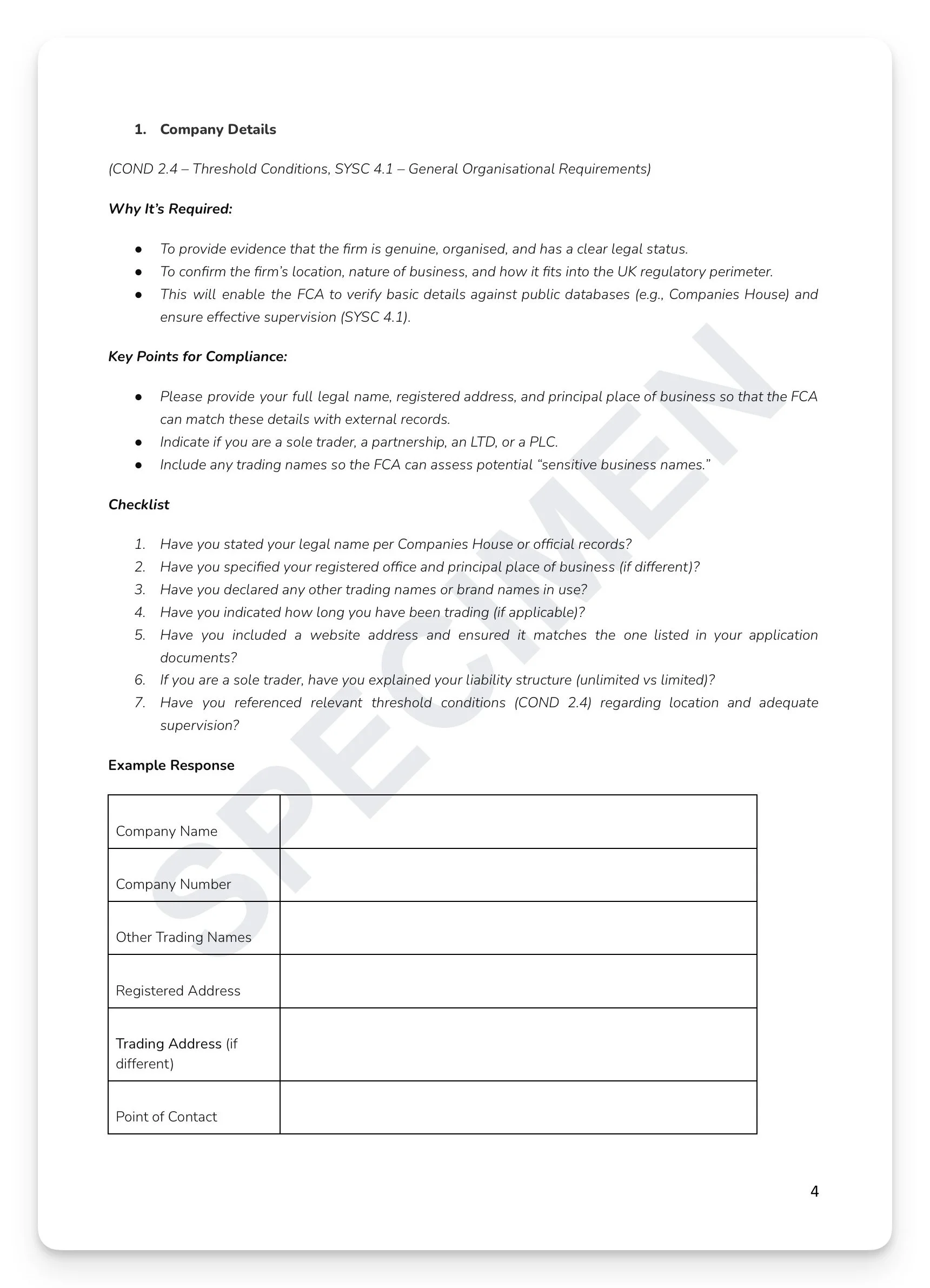
Ready-to-use worked template: Employee Details, Required vs Existing Skills by tier, Gap Analysis comparison table, Training Requirements, and sign-off checklist
+ much more
Who is this for?
Compliance Officers, HR Directors, L&D teams, SMF16 holders, and line managers at FCA-regulated firms who need a documented, systematic, auditable skills gap analysis process — and the template to prove it.
How it works
Step 1 — Read it. Every section exists for a reason, grounded in a specific regulatory obligation.
Step 2 — Understand it. Map the content against your current practices. Identify where you're strong and where gaps exist.
Step 3 — Make it yours. Tailor the language to reflect how your organisation actually operates. A policy that sounds like your firm is a policy your people will follow.
Step 4 — Take ownership. Assign clear accountability — Board approval, named SMF holder, designated policy owner. A policy without an owner is a liability, not an asset.
Step 5 — Operationalise it. Embed the policy into your governance calendar, training programme, and annual review cycle. This is where compliance becomes culture.
Or, get this free with RegTechPRO
Access this alongside the full compliance policy library — SM&CR, COBS, AML, Consumer Duty, GDPR, and more — for a fraction of the cost of consultancy.
View RegTechPRO pricing and packages →
Most FCA-regulated firms can prove their people completed training. Far fewer can demonstrate a systematic process for identifying what training was needed in the first place — mapping individual competencies against regulatory requirements, quantifying gaps, and prioritising remediation by regulatory criticality. Under SYSC 3.1.1R, the TC Sourcebook, SM&CR, and Consumer Duty, competence must be assessed and documented — not assumed. A training completion spreadsheet isn't a skills gap analysis. The FCA doesn't wait.
What's included:
Full regulatory mapping: SYSC 3.1.1R, SYSC 5/5.1.1AR, TC 2.1.1R, SM&CR, Consumer Duty, CONC 2.3, COBS 2.5, and PSRs 2017
Four-tier skills classification: Tier 1 Regulatory (SM&CR, AML, Conduct Rules), Tier 2 Business, Tier 3 Role-Specific, and Tier 4 Optional/CPD
Gap prioritisation matrix: High (30 days), Intermediate (90 days), and Low (180 days) — with regulatory criticality and customer detriment assessment
Training and development planning: timeframes by gap priority, approved delivery methods, and Individual Development Plans with milestones and success criteria
Three-tier quality assurance framework: self-assessment, peer review, and management validation — with five mandatory pre-completion checks
KPI monitoring: monthly operational, quarterly strategic, and annual Board-level reporting framework
Ready-to-use worked template: Employee Details, Required vs Existing Skills by tier, Gap Analysis comparison table, Training Requirements, and sign-off checklist
+ much more
Who is this for?
Compliance Officers, HR Directors, L&D teams, SMF16 holders, and line managers at FCA-regulated firms who need a documented, systematic, auditable skills gap analysis process — and the template to prove it.
How it works
Step 1 — Read it. Every section exists for a reason, grounded in a specific regulatory obligation.
Step 2 — Understand it. Map the content against your current practices. Identify where you're strong and where gaps exist.
Step 3 — Make it yours. Tailor the language to reflect how your organisation actually operates. A policy that sounds like your firm is a policy your people will follow.
Step 4 — Take ownership. Assign clear accountability — Board approval, named SMF holder, designated policy owner. A policy without an owner is a liability, not an asset.
Step 5 — Operationalise it. Embed the policy into your governance calendar, training programme, and annual review cycle. This is where compliance becomes culture.
Or, get this free with RegTechPRO
Access this alongside the full compliance policy library — SM&CR, COBS, AML, Consumer Duty, GDPR, and more — for a fraction of the cost of consultancy.
View RegTechPRO pricing and packages →


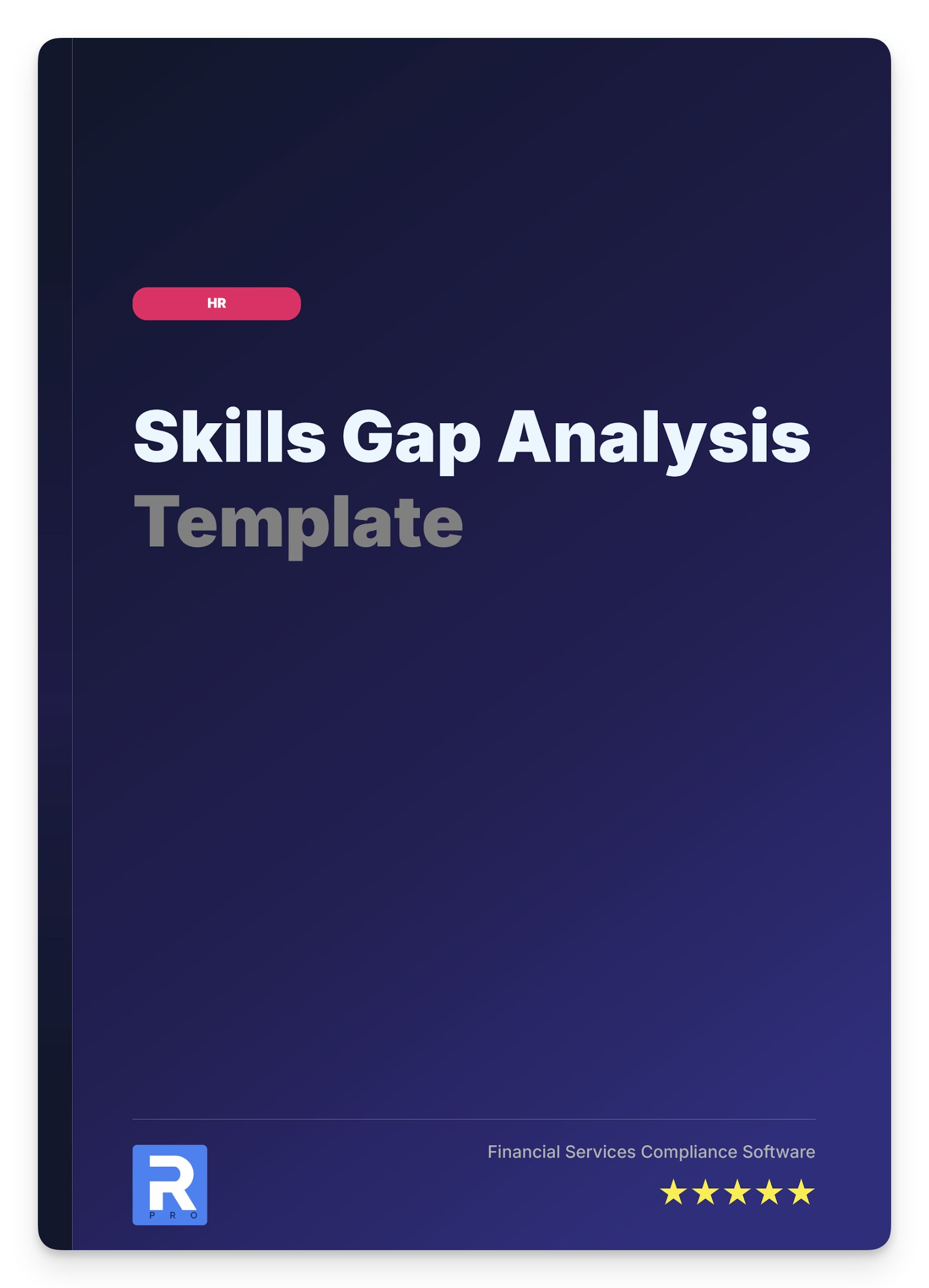 Image 1 of 7
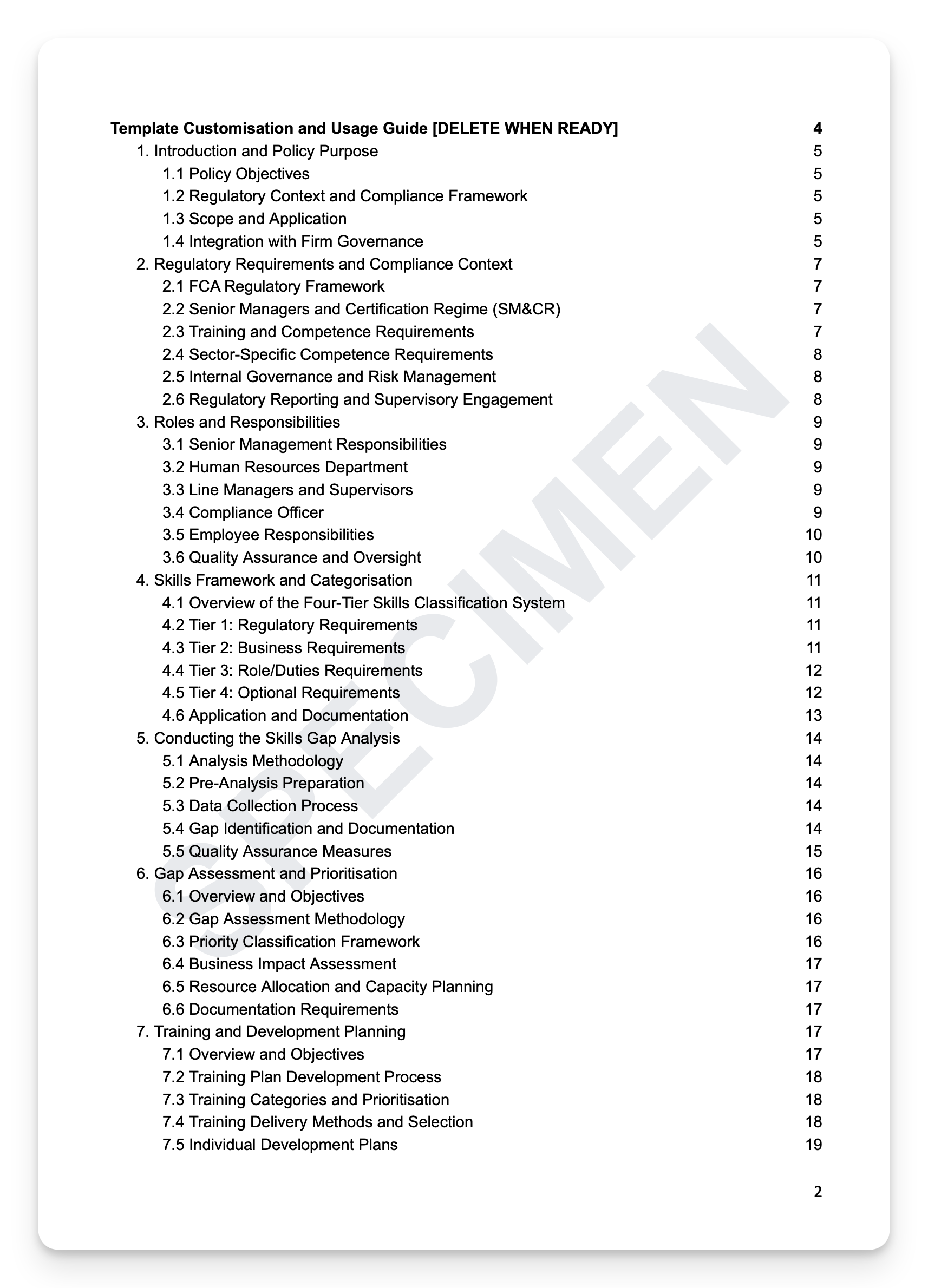 Image 2 of 7
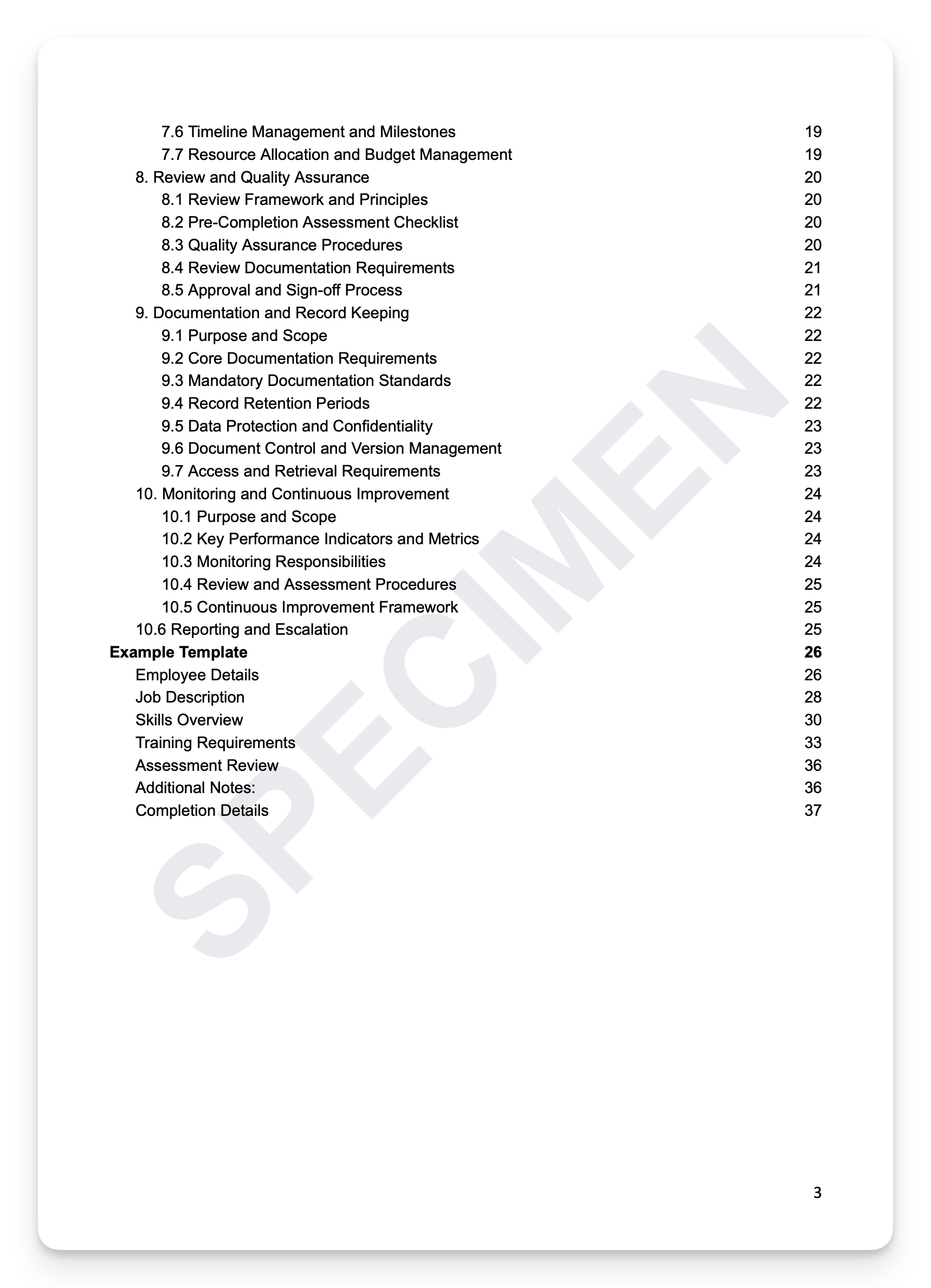 Image 3 of 7
 Image 4 of 7
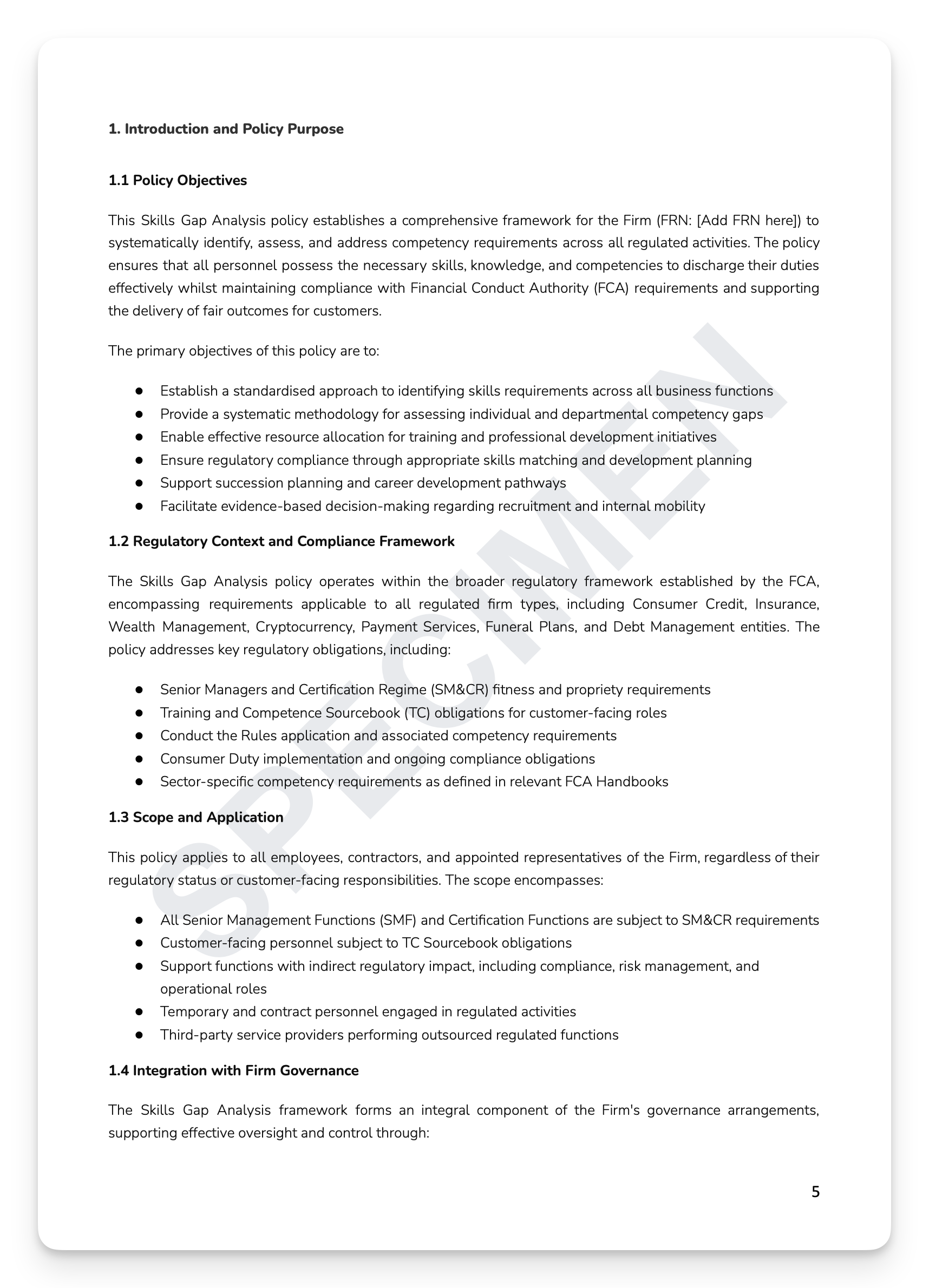 Image 5 of 7
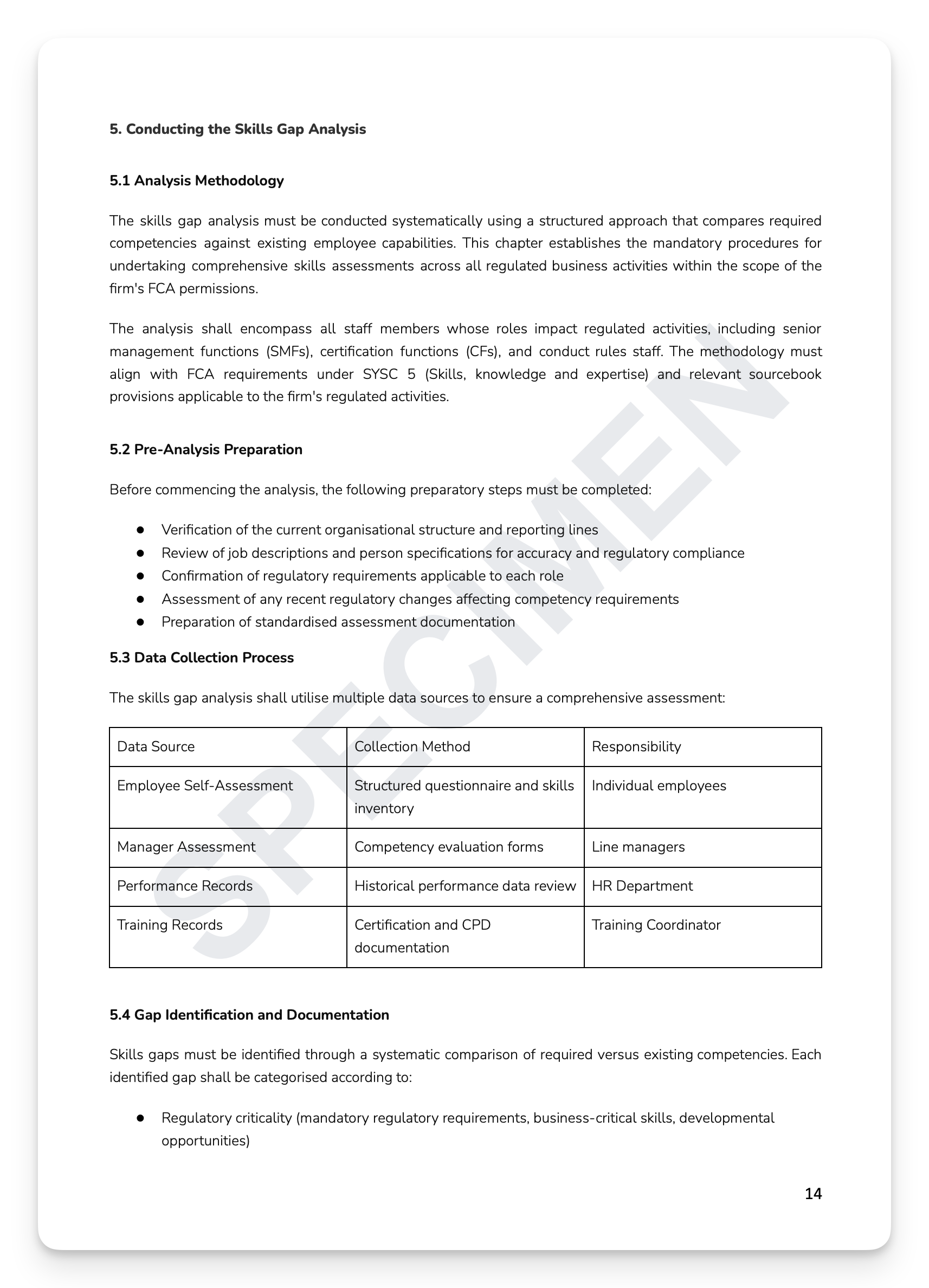 Image 6 of 7
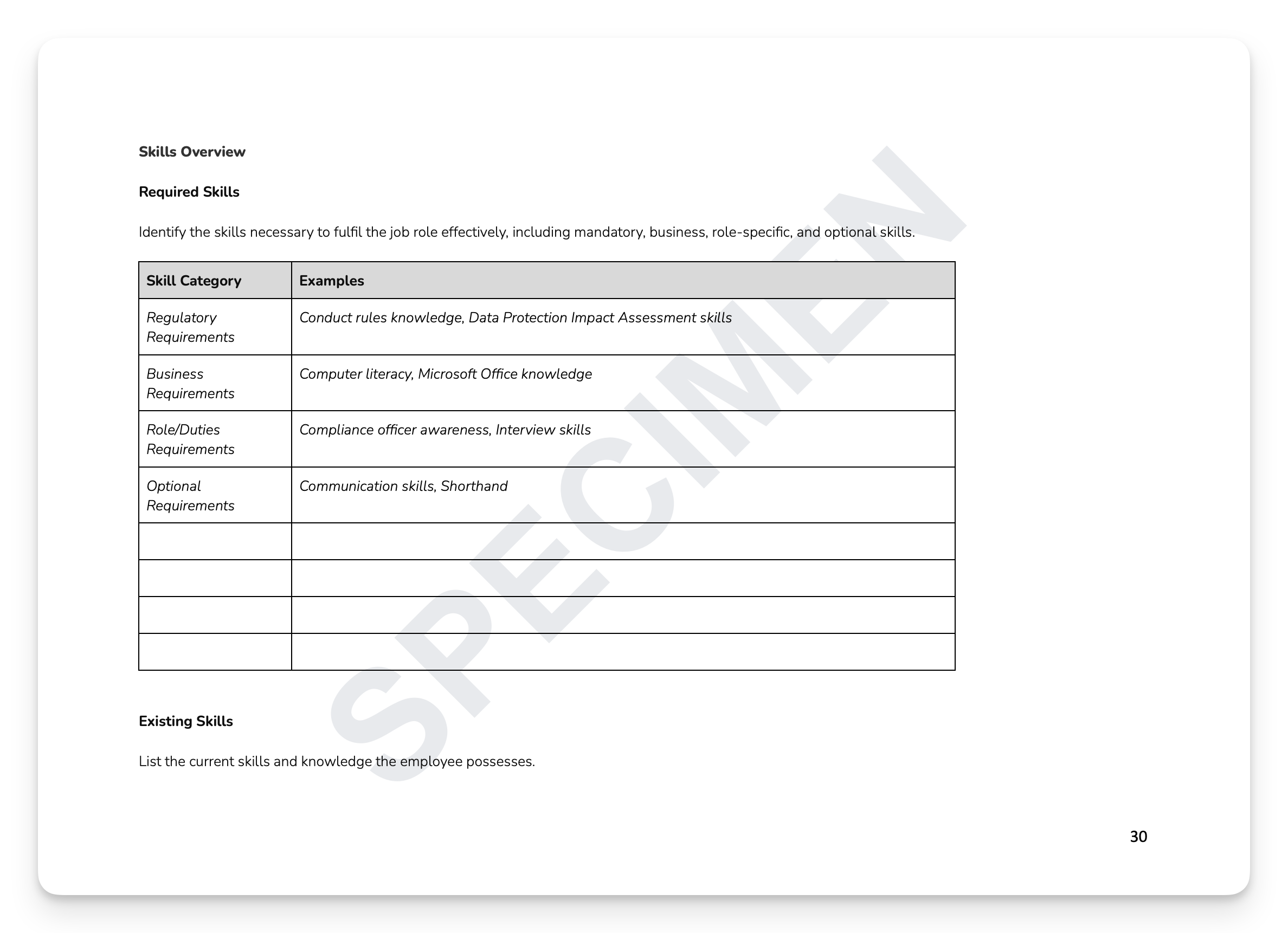 Image 7 of 7